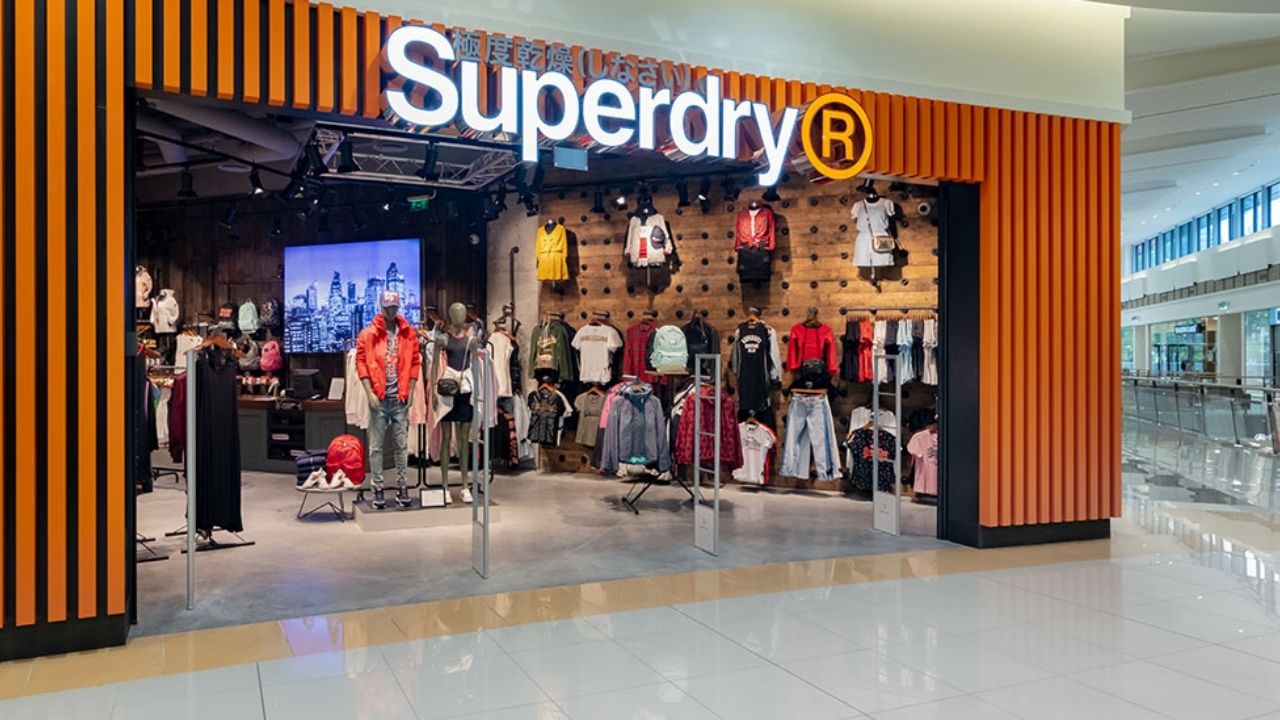
Once a £1.7B fashion titan, Superdry went private at a £6M valuation. Founder Julian Dunkerton is back at the helm, steering a risky turnaround plan.
A Steep Financial Decline
The journey for Superdry, once one of the UK‘s most celebrated fashion IPOs, has been turbulent. The brand’s valuation plummeted from a peak of £1.7 billion in 2010 to just £6 million by mid-2024, a stark reflection of its recent performance. Last year, the company’s revenue fell by 22%, dropping to £488.6 million from £622.5 million in the previous year.
This downturn was felt across all sectors. Wholesale sales experienced a significant 36% contraction to £117 million, while retail sales were not far behind, decreasing by 16% to £371.6 million. The decline also impacted digital and physical storefronts, with e-commerce sales shrinking by 18% and in-store revenue falling by 14%. Consequently, adjusted pre-tax losses nearly doubled, reaching £48.3 million. Despite these figures, there was a positive note as the gross margin improved by 2.2 percentage points to 55%, a result attributed to more selective product offerings and a disciplined pricing strategy.
A Founder’s Intervention
In response to the crisis, co-founder Julian Dunkerton spearheaded the move to take Superdry off the London Stock Exchange in July 2024, returning the company to private ownership. This strategic shift was backed by a substantial financial commitment from Dunkerton himself, who facilitated a new equity raise of £21 million. To further strengthen the company’s financial position, Superdry sold its intellectual property rights in the Asian market, a deal that brought in approximately £60 million. These actions were designed to provide the company with the necessary capital and breathing room to execute a difficult turnaround away from the pressures of public market scrutiny.
A New Strategy for a New Generation
With the company now private, the focus has shifted to a comprehensive brand reset aimed at regaining relevance, particularly with Gen Z consumers. A core component of this new strategy is a deep commitment to sustainability. The brand reports that 64% of its products are now sourced sustainably, with a near-term goal of increasing that figure to 65%.
Perhaps the most challenging part of the revival plan is a fundamental change in its sales model. Superdry is moving away from the frequent, deep discounting that had become commonplace, asking customers to pay full price for its products. This move aims to restore brand value and protect profit margins. Early results suggest this strategy is helping to improve store profitability and margin health, but it remains a significant test to see if consumers will adapt to the change after years of bargain hunting.
The Road Ahead
The path forward for Superdry is not without its obstacles. The company anticipates that revenue will continue to decline in the short term, projecting figures between £350 million and £400 million for the upcoming year. However, the objective is to offset this lower revenue with improved profitability, driven by aggressive cost-cutting measures and enhanced operational efficiencies. Dunkerton‘s private takeover has bought valuable time, but the ultimate question remains: whether this founder-led revival will mark the beginning of a successful turnaround or a managed exit strategy. The brand’s future now rests on its ability to successfully reshape its identity and business model.
Updated: 29 August 2025
Related