Meta’s Ambitious Move into AI Wearables
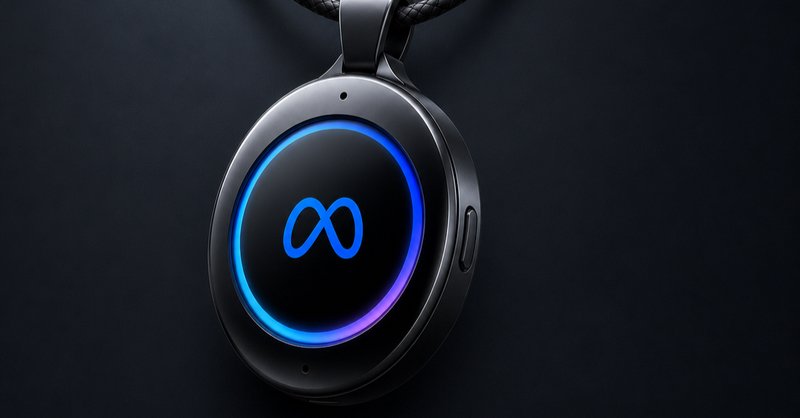
Meta is making headlines with its latest project: an AI-powered pendant designed to enhance user interactions and capture daily conversations. According to an internal memo obtained by The Information, the tech giant plans to begin testing this innovative device within the next year.
Building on the Limitless Acquisition
This development follows Meta‘s 2025 acquisition of Limitless, a startup known for its AI wearables. Limitless created a clip-on Bluetooth device, aptly named Pendant, which records conversations and generates summaries and transcripts, creating a searchable database of daily interactions. Although Meta has yet to officially confirm the project, the acquisition’s alignment with the company’s vision for “personal superintelligence” was clearly articulated by Limitless CEO Dan Siroker at the time.
A Broader Hardware Initiative
The pendant is part of a larger strategy, with Meta’s Vice President for wearables, Alex Himel, stating the goal of achieving 10 million sales of wearable devices in the latter half of 2026. In addition to the pendant, Meta is also exploring new models of smart glasses and a subscription service aimed at business users. This service, dubbed Wearables for Work, will focus on features such as meeting transcription and integration with workplace platforms.
The Challenges Ahead
However, the AI wearable market has seen its fair share of failures, with companies like Humane and their AI Pin facing significant losses. In contrast, Meta holds a strong position in the market, having sold over seven million units of its Ray-Ban smart glasses in 2025, giving it an 82% market share in the smart glasses sector.
Despite this promising start, Reality Labs, Meta’s hardware division, reported a staggering loss of $19 billion in 2025, contributing to nearly $80 billion in total losses since its inception. As such, the success of the pendant hinges not only on generating initial interest but also on proving the practicality and acceptance of always-on ambient AI devices in everyday life.
For further insights into the evolving landscape of AI wearables, readers can explore additional coverage from TFN on deep tech hardware and US tech funding trends.
Related