UK Government targets quantum leap with £1B procurement plan
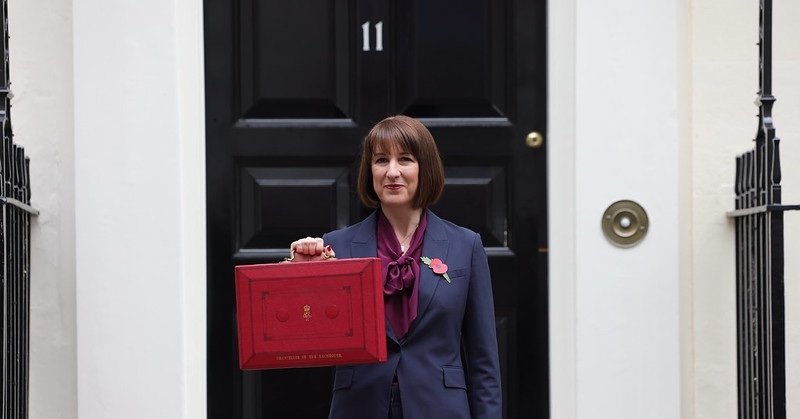
The UK Government is preparing to spend up to £1 billion ($1.33 billion) on powerful quantum computers, a move it says will strengthen the country’s science and technology base and support long-term economic growth. The plan was outlined by finance minister Rachel Reeves, according to Reuters, as part of a wider effort to expand Britain’s quantum capabilities.
The procurement programme sits within a broader £2 billion package designed to improve the UK’s position in quantum technology. The finance ministry said the package includes £1 billion in previously announced funding, plus an additional £1 billion earmarked to acquire advanced quantum systems.
Part of a wider tech and growth agenda
The quantum announcement arrives alongside a parallel push to bolster the UK’s broader technology ecosystem. Reeves is expected to confirm that the government will launch a £500 million Sovereign AI Fund in April to support British artificial intelligence companies—an initiative first signaled last year and intended to help domestic AI startups scale and compete internationally.
Why quantum matters
Quantum computing differs from classical computing by leveraging quantum effects that can allow systems to explore many potential solutions at once. Advocates say this could accelerate breakthroughs across medical diagnostics, climate monitoring and greenhouse-gas tracking, and strengthen secure communications and encryption—areas that have prompted governments and major technology firms to increase investment globally.
Economic pressure and Europe ties
The investment push comes as Prime Minister Keir Starmer and Reeves seek to deliver faster growth after the 2024 election, with the UK economy still showing weakness and facing uncertainty from global tensions. Separately, the government has signaled an intent to reduce post-Brexit trade frictions and deepen cooperation with the European Union on targeted areas such as regulation and youth mobility, while ruling out a return to the EU single market.
Related