

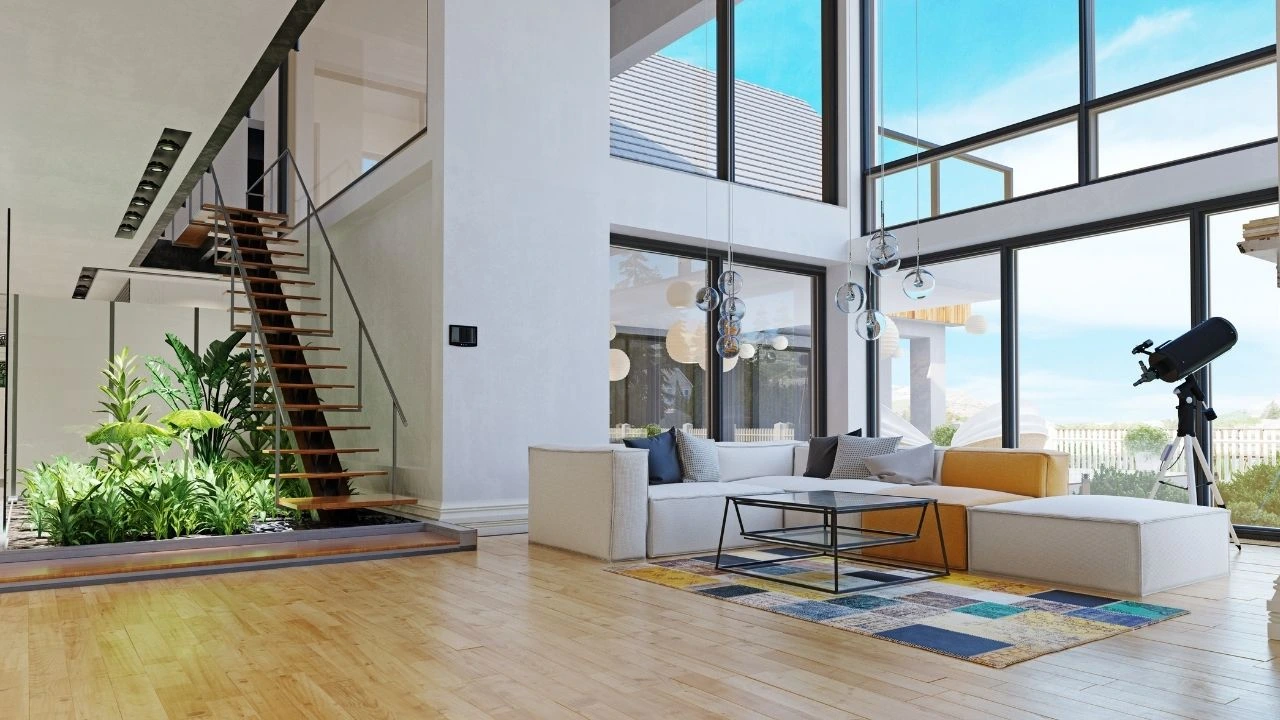
A well-designed home is not necessarily filled with costly furniture. Often, the difference comes from proportion, material choices and small finishing details that make each room feel deliberate rather than randomly assembled.
Here are nine practical home design habits that can create a more refined appearance.
1. Use tailored drapery panels
Curtains have a major effect on how a room is perceived. Panels installed close to the ceiling and extending toward the floor can make windows appear larger and ceilings seem higher. Thin curtains that stop midway down the window may leave the room looking unfinished.
2. Replace basic switch plate covers
Light switches and outlet covers are easily overlooked, yet they appear repeatedly throughout a home. Old plastic covers can interrupt an otherwise coordinated wall design. Choosing matte, metal or color-matched options is a simple way to improve consistency without a major expense.
3. Add books with purpose
Books can bring weight and texture to shelves, coffee tables and consoles. Large-format art, architecture or travel books work particularly well as styling pieces. Instead of filling every surface, mixing books with framed photos, ceramics or small objects can make a room feel more personal.
4. Include fresh flowers or oversized branches
A vase with fresh flowers, greenery or tall branches can add life to an entryway, dining table or fireplace mantel. One large arrangement often has more impact than several small decorative items. It also introduces natural color without permanently changing the room.
5. Keep lighting temperatures consistent
Mixed lighting temperatures can make a house feel visually disjointed. Warm lighting generally creates a calmer and more welcoming atmosphere, especially in living rooms and bedrooms. Bulbs around 2400K can provide a softer glow than cooler white light, helping materials and wall colors appear less harsh at night.
6. Choose lampshades with texture or pattern
Plain white drum shades are functional, but a pleated, patterned or woven lampshade can add another layer to a room. A shade that relates to the color of the curtains, upholstery or wallpaper helps establish a more unified visual language.
7. Use natural woven rugs
Natural-fiber rugs made from jute, sisal or similar materials offer texture without overwhelming the rest of the room. They can be used alone or layered beneath a smaller patterned rug. This approach can work well in living rooms, hallways and bedrooms where the floor needs warmth.
8. Mix in furniture with age and patina
A room containing only new furniture can sometimes feel overly uniform. An antique side table, a worn wood chair or a vintage cabinet can introduce contrast and history. The piece does not need to be expensive; visible craftsmanship and an aged finish can be enough to create interest.
9. Highlight art with gallery lights
Small picture lights above artwork can create a more intentional wall display. They draw attention to paintings, photographs or framed prints while adding a subtle architectural detail. The same technique can also be used above built-in shelves or a home bar area.