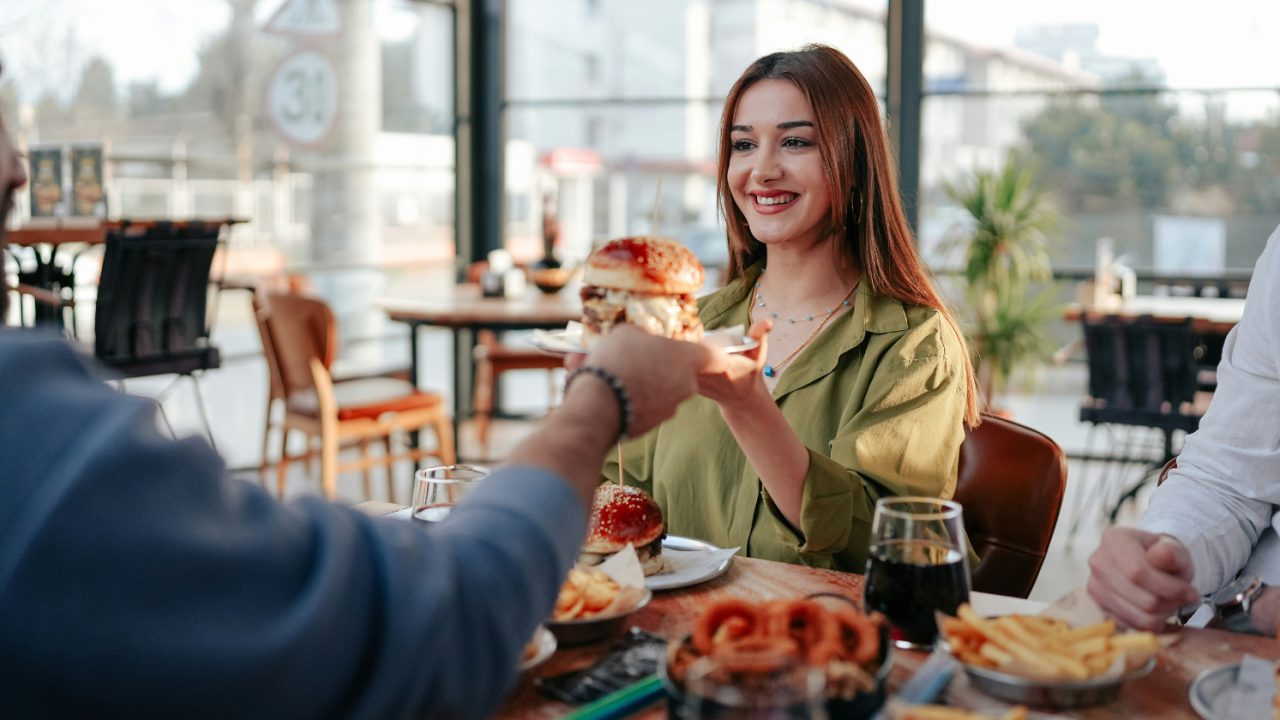
How chain dining became a cultural milestone
For many Americans who grew up lower middle class, “fancy” was not defined by white tablecloths or Michelin stars. It was defined by a booth at Red Lobster, unlimited breadsticks at Olive Garden, or a celebratory dessert ordered only on birthdays. These national chains—often mocked by food critics and coastal tastemakers—played an outsized role in how families with limited discretionary income learned the language of going out: how to read a menu, how to tip, how to dress for an occasion, and how to turn an ordinary week into a memory.
The idea is resurfacing in a wave of personal essays and social media posts that treat chain restaurants as emotional landmarks. The common thread is not culinary nostalgia so much as social history: chain dining served as an accessible symbol of success, a place where families could briefly step into a version of adulthood that felt just out of reach.
Nine chains that signaled “we’re celebrating”
Across stories shared by readers and writers, nine brands come up repeatedly as shorthand for a particular kind of aspiration—comfortably above fast food, but still within reach for families watching every dollar. While experiences vary by region and era, the patterns are strikingly consistent.
Red Lobster: seafood as a special-occasion luxury
For families used to canned tuna or frozen fish sticks, ordering seafood in a restaurant felt like a milestone. The lobster tank, nautical décor, and signature biscuits created the sense of an “event.” Graduations, anniversaries, and rare family milestones were common reasons to go—often paired with careful menu scanning and quiet calculations about what was “too expensive.”
Olive Garden: “authentic” Italian for families without a reference point
Unlimited salad and breadsticks made the meal feel abundant and, crucially, like a good value. For many diners, it was a first introduction to “Italian” beyond packaged pasta at home. The restaurant’s structure—familiar flavors, consistent service, and predictable pricing—offered a safe way to try something that felt worldly.
Applebee’s: the teenage bridge between childhood and adulthood
Late-night deals and shareable appetizers turned Applebee’s into a social hub for teenagers, especially around school events. It was “grown-up” without being risky: parents viewed it as acceptable, while teens saw it as a step up from fast food.
TGI Friday’s: the big celebration spot
For some families, TGI Friday’s represented the next rung up—louder, flashier, and more expensive than the neighborhood default. The experience mattered as much as the food: busy bar energy, theatrical service, and indulgent sauces that signaled abundance.
Ruby Tuesday: the salad bar as both health and freedom
The salad bar offered something rare for budget-conscious households: choice. Parents could frame the outing as “healthy,” while kids treated it as a build-your-own buffet. In many accounts, the salad bar wasn’t just a feature—it was the reason to go.
Outback Steakhouse: Father’s Day and the meaning of steak
Steak has long been a symbol of prosperity in American culture, and Outback Steakhouse packaged it into an approachable ritual: brown bread, a signature appetizer, and a server who knew what “medium-rare” meant. For many families, it was a way to make a parent feel honored without venturing into intimidating fine dining.
Chili’s: the dependable middle ground
Chili’s often appears as the reliable compromise: broad menu, predictable pricing, and a “something for everyone” layout that worked for blended families, group gatherings, or parents trying to keep peace while still making an effort. The sizzle of fajitas and the promise of dessert added a sense of occasion even when the reason was ordinary.
Texas Roadhouse: loud, playful, and built for value
The brand’s high-energy dining room, baskets of rolls, and playful traditions—like peanut shells on the floor in some locations—made it feel like entertainment bundled into dinner. For families sensitive to price, the spectacle helped justify the spend.
The Cheesecake Factory: the “we’ve made it” destination
With its encyclopedic menu and towering desserts, The Cheesecake Factory is frequently described as the pinnacle of chain-restaurant luxury. The portions, décor, and display case of cheesecakes created a sense of entering a different tier—one where people could “casually” spend that much on lunch.
More than food: a training ground for social rituals
What stands out in these accounts is how chain restaurants functioned as informal classrooms. They taught children how to behave in public spaces that carried expectations—waiting to be seated, ordering politely, understanding doneness temperatures, and learning the etiquette of gratuities. They also offered parents a way to give their kids a taste of celebration without the uncertainty or cost of independent fine dining.
In that sense, these brands were not merely places to eat. They were a shared cultural infrastructure for families trying to stretch budgets into experiences—proof, for one evening, that a milestone mattered. Whatever the jokes about microwaves or corporate menus, the emotional reality is harder to dismiss: for many lower middle-class households, these chains were where “making it” first became imaginable.
Related