Transforming Retail with Advanced POS Solutions
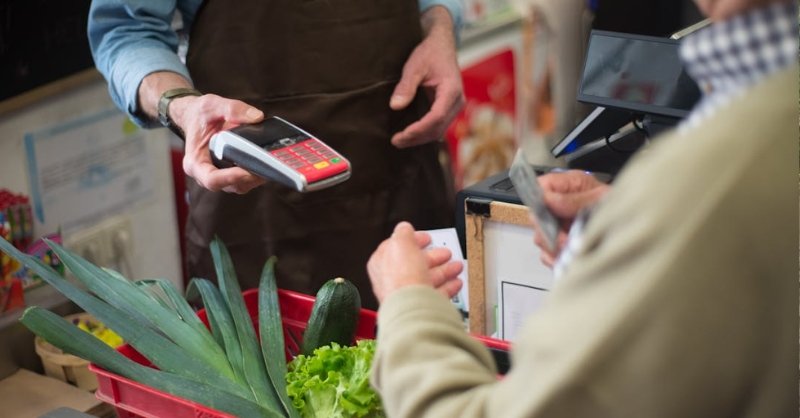
In the ever-evolving landscape of retail, point-of-sale (POS) systems are poised to undergo significant upgrades by 2026. Today’s best POS platforms are not merely transactional tools; they are comprehensive solutions that integrate payments, inventory, staff management, customer data, e-commerce, and compliance into a unified system.
The Shift from Generic to Specialized
Retailers are increasingly recognizing that generic POS systems create bottlenecks during peak hours, leading to lost sales and customer dissatisfaction. As margins tighten and customer expectations rise, specialized retail platforms that cater to specific sector needs are becoming indispensable. Unlike traditional systems that handle basic transactions, specialized POS software offers tailored functionalities that enhance operational efficiency.
Understanding the Unique Needs of Retail Categories
Each retail segment has its own unique requirements. For instance, apparel stores demand size and color options, while electronics retailers need serial tracking capabilities. Jewelry and high-value goods retailers face tighter regulations regarding repairs and certifications. A specialized POS system can address these needs effectively, allowing retailers to focus on customer service instead of administrative hurdles.
Linking Upgrades to Profitability
The decision to upgrade should be driven by potential return on investment (ROI). Retailers must evaluate how new systems can reduce shrinkage, improve stock turns, and increase average order value. For instance, AI-driven forecasting tools can help identify slow-moving stock and predict stockouts, improving inventory management and customer satisfaction.
Meeting Customer Expectations in 2026
Today’s consumers expect a seamless shopping experience across all platforms, whether in-store, online, or through social media. A robust POS system must integrate these channels to provide consistent pricing, rewards, and product availability. This interconnectedness will be crucial for retailers aiming to thrive in the competitive landscape of 2026.
Security and Integration as Key Factors
As the retail sector embraces digital transformation, the security of payment processing and customer data becomes paramount. Retailers should seek POS systems that offer strong protective measures, including encrypted payments, access controls, and audit trails. Additionally, the ability to integrate with existing tools and platforms will enhance flexibility and scalability.
Conclusion: Investing in the Future
As we move towards 2026, the focus for retailers will shift from simply replacing outdated terminals to selecting POS systems that meet their unique operational needs. Specialised solutions tailored to specific retail categories will not only drive efficiencies but also enhance the overall customer experience, making them a worthy investment for the future.
Related