WtEnergy secures €10M to scale waste-to-syngas plants
WtEnergy, a Barcelona-based climate tech company focused on industrial decarbonisation, has raised €10 million to accelerate deployment of its gasification systems for Europe’s energy-intensive sectors, including cement, ceramics, chemicals and paper.
The round was led by SC Net Zero Ventures and Suma Capital’s Climate Tech fund, with participation from Shell Ventures and Cemex Ventures. The company said the capital will be used to roll out new projects, standardise plant designs, expand its team, develop additional applications for syngas, and broaden operations across Europe.
Turning industrial waste into low-carbon fuel
Heavy industries face mounting pressure to cut CO₂ emissions while reducing waste sent to landfill or incineration. WtEnergy addresses both challenges by converting industrial waste and biomass into “clean” syngas, which can replace fossil fuels on-site and serve as a feedstock for lower-carbon products such as hydrogen and sustainable aviation fuel (SAF).
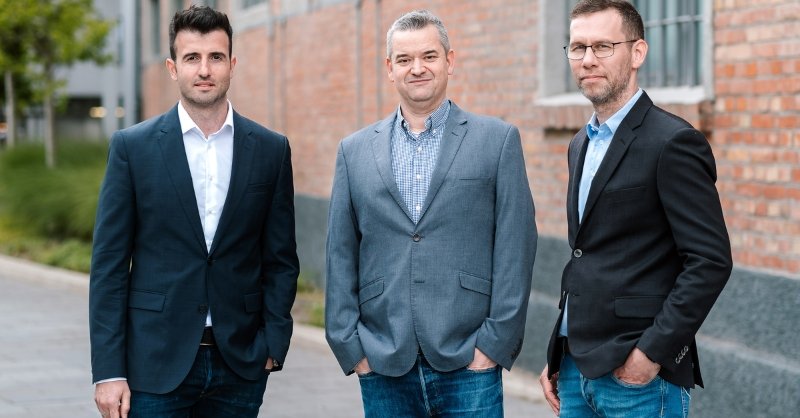
Founder Andrés Ponce launched the company in 2017 after working in energy technology and becoming dissatisfied with continued reliance on fossil fuels amid tightening waste regulations. Co-founder Antonio Crous joined in 2019 to help expand commercial adoption in sectors such as cement and ceramics.
Modular plants designed for factory integration
The company’s approach uses atmospheric gasification in bubbling fluidised-bed reactors, followed by proprietary reforming to remove contaminants. WtEnergy says its modular plants—typically 5 to 50 MW—can be integrated into existing factories to provide heat or power, lowering emissions and energy costs while supporting circular-economy goals.
Pipeline and expansion plans
WtEnergy expects the new funding to accelerate its 2026 project pipeline, starting with Spain’s cement and ceramics industries before expanding across the EU. Near-term priorities include standardising plants above 20 MW, launching syngas-to-SAF pilot work with Shell, and doubling headcount. Longer term, the company aims to reach 100 MW of operational capacity by 2028 and replicate its model at additional industrial sites across Europe.
Related