InfiniteWatch emerges from stealth with $4M pre-seed
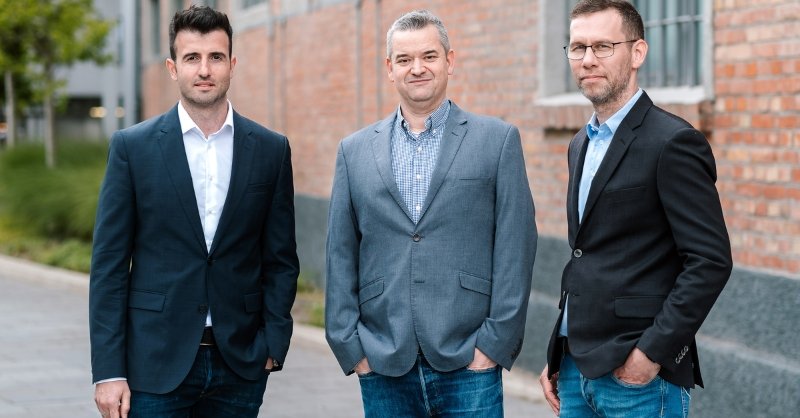
InfiniteWatch, a new observability platform built for what it calls the “agentic internet,” has launched from stealth with a $4 million pre-seed round. The company was founded by former executives from CoverWallet and aims to help organizations monitor, manage, and deploy AI agents operating across web and voice channels.
The financing was backed by Base10 Partners along with Sequoia scouts, according to the company. The startup is positioning itself at the intersection of enterprise monitoring and rapidly proliferating agent-based automation, an area where companies are increasingly struggling to understand what autonomous systems are doing, why they made a decision, and whether they are behaving safely and reliably.
Observability for the “agentic internet”
As businesses expand beyond single chatbots into fleets of autonomous and semi-autonomous assistants—handling customer service, sales outreach, scheduling, claims intake, and internal workflows—traditional monitoring tools often fail to capture the full lifecycle of an agent’s actions. Agents can trigger tools, call APIs, browse the web, interact with voice systems, and hand off tasks to other agents. That complexity creates new operational risks, including silent failures, runaway costs, inconsistent user experiences, and compliance issues.
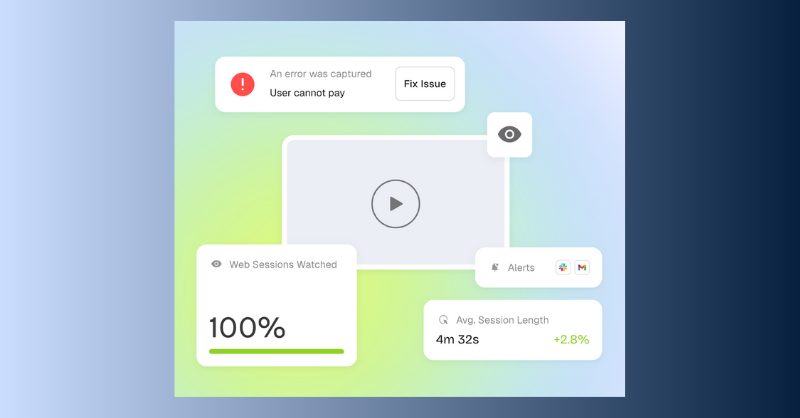
InfiniteWatch says its core product is designed to provide observability for these systems: visibility into agent performance, behavior, and outcomes across channels. The company’s focus on both web and voice reflects a growing reality for enterprises: customers and employees increasingly engage with automated systems through multiple interfaces, and voice-driven workflows introduce additional challenges such as transcription accuracy, latency, and real-time decision-making.
What the platform is built to do
While product specifics were not detailed beyond its positioning, an “observability platform” for AI agents typically encompasses several core capabilities. These may include tracing an agent’s actions across tools and sessions, tracking success and failure rates, monitoring latency and cost per task, and surfacing anomalies such as repeated loops, unexpected tool calls, or degraded performance after model or prompt changes.
In practice, enterprises deploying agentic systems often need answers to questions that resemble classic software reliability investigations: What happened? When did it start? Which users were affected? But they also need AI-specific context: What prompt was used? Which model or configuration was running? What tools were invoked? What data was accessed? And what reasoning steps led to a particular outcome?
InfiniteWatch is also framing its offering as a way to deploy agents in addition to monitoring them, signaling an ambition to become part of the operational control plane for agent-based applications rather than only a reporting layer.
Founders with insurtech operating experience
The startup was launched by former executives from CoverWallet, an insurtech company known for digitizing small business insurance purchasing and management. Alumni from high-growth fintech and insurtech companies often bring experience building regulated, customer-facing platforms where reliability, auditability, and risk controls are central—traits that translate directly to the challenges of deploying autonomous AI systems in production.
Although the company has not publicly highlighted individual executives in the brief announcement, the founding team’s background suggests a focus on enterprise-grade requirements such as security, governance, and operational rigor—areas that become critical as AI agents move from experimentation into revenue-impacting workflows.
Why investors are paying attention now
The pre-seed backing from Base10 Partners and Sequoia scouts underscores the investor thesis that agentic AI will expand quickly—and that the infrastructure around it will become a major market. As organizations scale their use of agents, they will need tooling comparable to what application performance monitoring did for cloud software: standardizing how teams measure, debug, and improve systems that run continuously and touch sensitive data.
In the near term, agent observability is also tied to cost control. Agentic systems can generate unpredictable usage patterns, particularly when they chain multiple model calls, browse the web, or repeatedly attempt tasks. For companies managing budgets and service-level expectations, monitoring becomes essential not only for reliability but for financial governance.
Competitive landscape and open questions
InfiniteWatch enters a fast-forming ecosystem of AI infrastructure startups, including platforms focused on evaluation, prompt management, logging, tracing, and governance. Differentiation may hinge on how deeply a product integrates with real-world agent frameworks, how well it supports voice workflows, and whether it can provide actionable controls rather than passive dashboards.
Another key question is how the company will address privacy and compliance. Monitoring agents that operate on the web and in voice channels can involve capturing sensitive user inputs, transcripts, and tool outputs. Enterprises will likely demand strong data handling controls, configurable retention, and clear audit trails—especially in regulated industries.
What comes next
With $4 million in pre-seed funding, InfiniteWatch is expected to build out its product, expand integrations, and begin onboarding early customers seeking operational visibility into agent deployments. As the “agentic internet” concept moves from hype to production reality, the companies that can make agents measurable, debuggable, and governable may become foundational to how AI-driven services are run.
Related