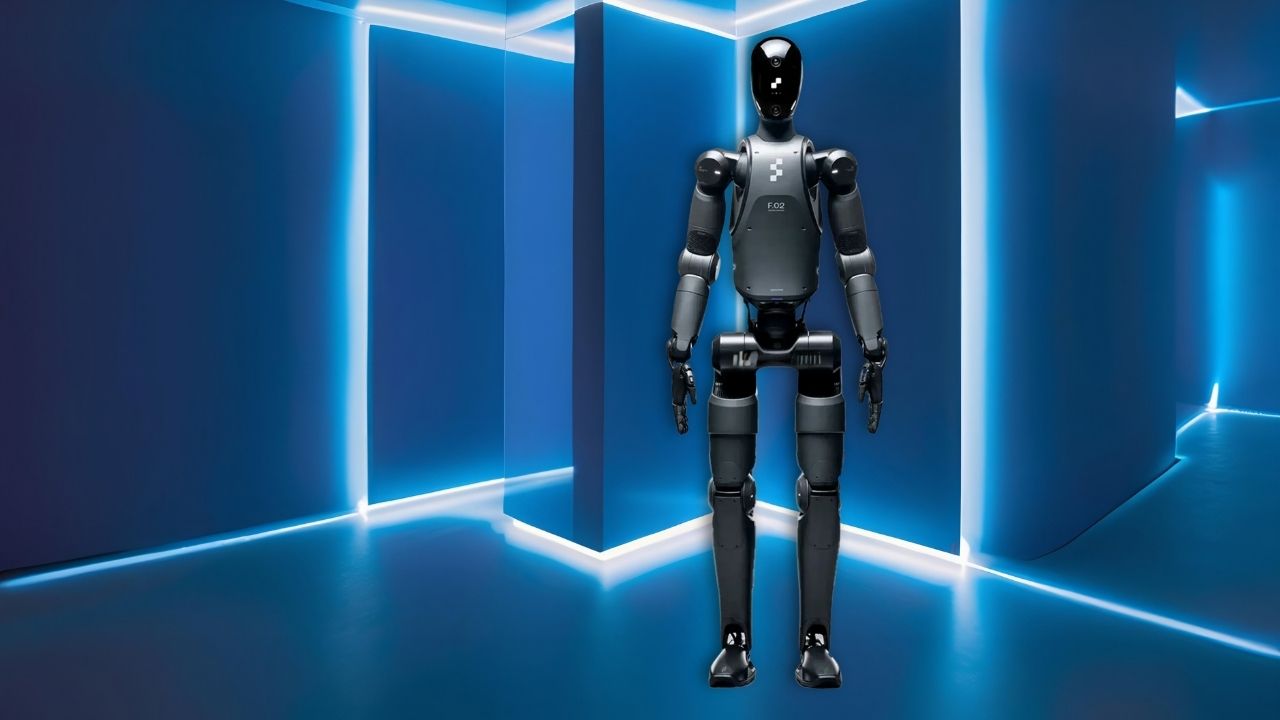
Backed by giants like Nvidia and Intel, Figure AI hit a $39B valuation with its $1B round. The company is targeting the industrial labor gap.
California-based humanoid robotics firm Figure AI has completed a significant funding round that reshuffles the dynamics of the sector. The company raised over $1 billion in a Series C round led by Parkway Venture Capital, elevating its valuation to $39 billion. What makes this investment particularly noteworthy is the profile of its backers. The participation of technology leaders like Nvidia and Intel Capital—the very companies that build the foundational chips for artificial intelligence—is being interpreted as a powerful endorsement of the commercial viability of humanoid robots. The investor list also includes Salesforce, Qualcomm Ventures, and Brookfield Asset Management, signaling broad confidence in Figure AI‘s direction.
Mission: Robots to Augment the Human Workforce
Founded in 2022 by entrepreneur Brett Adcock, Figure AI has a clearly defined objective: to develop autonomous robots that can perform tasks that are dangerous, tedious, or physically strenuous for people. Adcock‘s stated purpose is not to replace the existing human workforce but rather to support it by enhancing productivity and safety. The company plans to use the new capital to scale robot production, build out the necessary infrastructure for AI training models, and expand its data collection capabilities. Its primary target markets are industries facing the most acute labor shortages, such as manufacturing, logistics, warehousing, and retail.
Diverse Market Strategies and Key Rivals
Figure AI‘s ascent highlights the varied strategies at play among its competitors in the US market, with each company pursuing a different approach to bringing humanoids to the mainstream.
- Agility Robotics: This company acts as “the specialist,” focusing on the vertical market of logistics and warehouse automation with its robot, Digit. Its strategic partnership with e-commerce giant Amazon validates its targeted commercialization strategy, making it one of the most market-ready players.
- Boston Dynamics: As “the pioneer” and now part of Hyundai, Boston Dynamics continues to push technological boundaries with its Atlas model. While Atlas demonstrates advanced engineering, the company’s primary commercial success comes from its quadruped robot, Spot, which serves industrial inspection roles.
- Apptronik: The Austin-based company is taking a more pragmatic route with its robot, Apollo. Apptronik has designed Apollo to be a modular and practical solution that can be easily integrated into existing factory and warehouse workflows, offering an attractive option for businesses looking to automate without disruptive infrastructure overhauls.
Related