From “special occasion” to everyday use
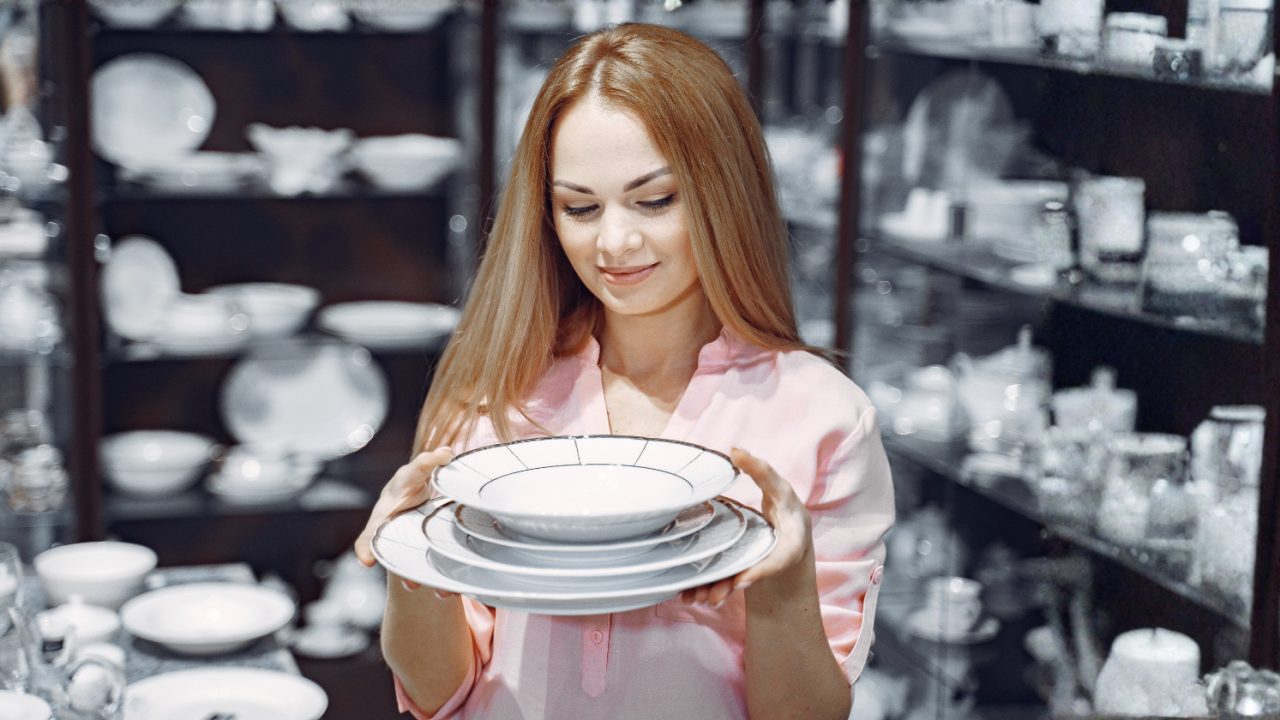
In many homes, a familiar scene plays out quietly for years: crystal wine glasses remain in wedding gift boxes, fine china sits behind glass cabinet doors, and “guest” towels stay neatly folded while worn-out linens do the daily work. These items are often treated as too precious for ordinary life—reserved for holidays, milestone dinners, or visits from people important enough to justify the risk of a chip or stain.
But a subtle cultural shift is challenging that long-standing habit. Across social media, lifestyle newsletters, and organizing communities, a growing number of people are embracing a simple idea: if you own something beautiful and functional, use it. The “special occasion” is not a date on the calendar, they argue—it’s the life you’re living.
The psychology of saving the best for later
People don’t stockpile “good” items because they don’t value them. They do it because they value them so much that using them feels like spending a finite resource. A glass could break. A plate could crack. A tablecloth could stain. And once it’s damaged, the perfection that made it feel special is gone.
That impulse is reinforced by tradition. Weddings, anniversaries, and major holidays have long been framed as the correct moments for “the good stuff.” Everyday meals—especially in busy households—become practical affairs: takeout containers, paper plates, and whatever towel is closest to the sink.
Yet the result is a quiet mismatch between what people own and how they live. The most cherished household items can become museum pieces, while daily routines are carried out with products chosen for convenience rather than comfort or joy.
A practical movement with emotional payoff
The renewed push to use reserved household items isn’t just about aesthetics. It’s about reclaiming value. When crystal and china are stored indefinitely, they deliver no return—financial or emotional—on the space they occupy. When they are used, they become part of daily experience: a Tuesday dinner feels more intentional, a simple drink becomes a ritual, and the home reflects the life happening inside it rather than a life postponed.
Supporters of the “use it now” mindset often describe a sense of relief. The decision removes the constant background pressure of waiting for the perfect moment. It also reduces the guilt that can accompany unused gifts—especially wedding gifts—that carry sentimental expectations. Instead of preserving the object, people preserve the meaning by integrating it into their routines.
The economics of “good enough” vs. “good to use”
There’s also an economic logic behind the trend. Households frequently spend money on disposable alternatives—paper plates, single-use napkins, or inexpensive replacements—while durable, higher-quality items sit idle. Over time, those small purchases add up, even if they feel negligible day to day.
Meanwhile, the unused premium items still carry costs: storage space, moving effort, and the risk of damage in boxes or cabinets. Paradoxically, the attempt to prevent breakage can lead to it. A glass stored for years may be knocked over during a move; a dish packed away can chip without ever serving a meal.
Using what you already own can also curb new purchases. When people bring their best plates and glasses into rotation, they often feel less need to buy “everyday” sets that are merely placeholders.
What “everyday luxury” looks like in practice
The shift doesn’t require turning every meal into a formal event. For many, it’s about small upgrades: pouring water into the good glasses, setting the table with cloth napkins, or swapping threadbare towels for the ones saved for guests. It can be as simple as deciding that a quiet dinner at home qualifies as an occasion.
Some people adopt a hybrid approach—using “special” items weekly rather than daily, or designating certain pieces as regular-use while keeping the most delicate heirlooms protected. Others prioritize items that improve comfort the most, such as higher-quality bath towels or bedding, rather than fragile tableware.
Managing risk without returning to storage
Part of making the change stick is addressing the fear of damage. Advocates recommend practical steps: storing glasses where they won’t topple, using cabinet liners to reduce chipping, and accepting that wear is not failure but evidence of life. In this framing, a scratch or a small chip is not a ruined object—it’s a record of use.
A broader cultural reset: stop postponing life
At its core, the movement reflects a broader recalibration of how people think about time and meaning. The last few years have intensified awareness that “later” is not guaranteed, and that joy doesn’t have to be earned through a major event. The items once held back for celebrations become symbols of a larger habit: postponing enjoyment until conditions feel perfect.
Using the fancy china or opening the wedding gift box is a small act, but it carries a larger message—one that prioritizes presence over preservation. For people tired of waiting for a day that feels special enough, the conclusion is increasingly straightforward: the occasion is today.
Related