Empowering Women Demo Day draws spotlight to female-led innovation
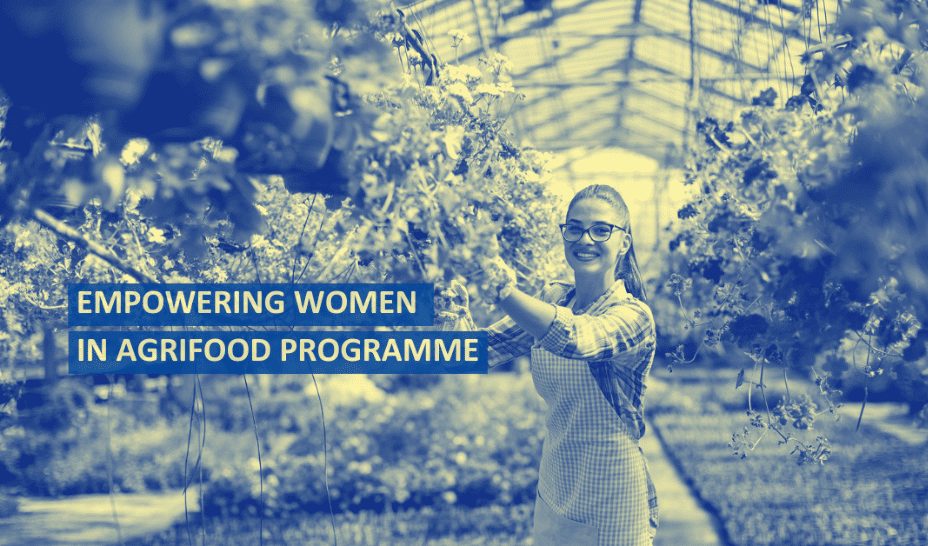
An initiative supported by EIT Food held its “Empowering Women” Demo Day on 25 November, bringing together entrepreneurs, partners and supporters to showcase women-led innovation and business ideas. The event was presented as a collaborative effort and was backed by financial support from EIT Food, according to an editor’s note accompanying the announcement.
Demo days typically serve as a milestone for accelerator or mentorship programs, offering founders a platform to present their progress, product direction and commercial plans to an audience that can include investors, corporate partners and ecosystem stakeholders. In this case, the focus was on enabling women founders and innovators—an area that has received growing attention across Europe’s startup and innovation landscape as policymakers and industry groups seek to widen participation and improve access to capital, networks and expertise.
Collaboration and funding support highlighted
The editor’s note emphasized that the post and event communications were created in collaboration with EIT Food and with its financial support. While the note does not provide additional detail about the program structure, participating startups or outcomes from the day, it underscores the role of institutional backers in convening communities and helping early-stage teams gain visibility.
EIT Food is widely known for supporting innovation in the food system, including initiatives that connect research, entrepreneurship and industry. Support for a demo day centered on women founders aligns with broader efforts across the sector to encourage diverse leadership and accelerate commercialization of new technologies and services.
Why demo days matter for early-stage founders
For entrepreneurs, a demo day can be more than a single presentation. It often acts as a catalyst for follow-on meetings, pilot discussions and fundraising conversations. Founders use the format to communicate their value proposition succinctly, validate traction and articulate the market problem they are solving.
For ecosystem partners, demo days can provide a curated view of emerging solutions and teams. Corporate stakeholders may look for collaboration opportunities, while investors may use the event to identify promising founders at an early stage. Program organizers also use demo days to demonstrate the impact of their support—whether through mentorship, training, introductions or non-dilutive funding.
Addressing persistent gaps
Women founders have historically faced structural barriers in entrepreneurship, including reduced access to venture capital, smaller professional networks in certain industries and underrepresentation in technical and executive roles. Programs branded around “empowering women” commonly aim to counter those gaps through targeted training, mentorship and increased exposure.
By hosting a dedicated demo day, organizers can create a moment of concentrated attention that helps participants reach audiences they might otherwise find difficult to access. The presence of an established backer such as EIT Food can also lend credibility and attract a wider range of stakeholders.
What is known—and what remains unclear
Based on the provided information, the confirmed details are limited: the demo day took place on 25 November and the communications around it were created in collaboration with and supported financially by EIT Food. No additional specifics were included regarding the participating cohort, the number of startups involved, the sectors represented, or whether any prizes, grants or investment commitments were announced.
Without those details, it is not possible to quantify the event’s immediate outcomes. However, demo days frequently serve as a public-facing endpoint for a program cycle, and the emphasis on collaboration and financial support suggests an organized effort to amplify women-led entrepreneurship within EIT Food’s broader innovation mission.
Broader context: innovation programs and inclusive growth
Across Europe and beyond, industry-backed innovation programs have increasingly paired technical and commercial support with inclusion goals. The rationale is both social and economic: widening participation can expand the pool of talent and ideas, while supporting underrepresented founders can lead to new products and business models that better reflect diverse consumer needs.
In food and agrifood innovation specifically, the stakes are high. The sector faces pressure to improve sustainability, supply chain resilience, nutrition and affordability. Supporting a wider range of founders and innovators can help accelerate experimentation and adoption of solutions—whether in ingredients, processing, logistics, waste reduction or digital tools.
Next steps
Further information—such as the list of presenting teams, key themes from pitches, and any follow-on funding or partnerships—would help clarify the scope and impact of the Empowering Women Demo Day. For now, the announcement signals a continued commitment by EIT Food to support entrepreneurship and to elevate women-led innovation through visible platforms like demo days.
Related