

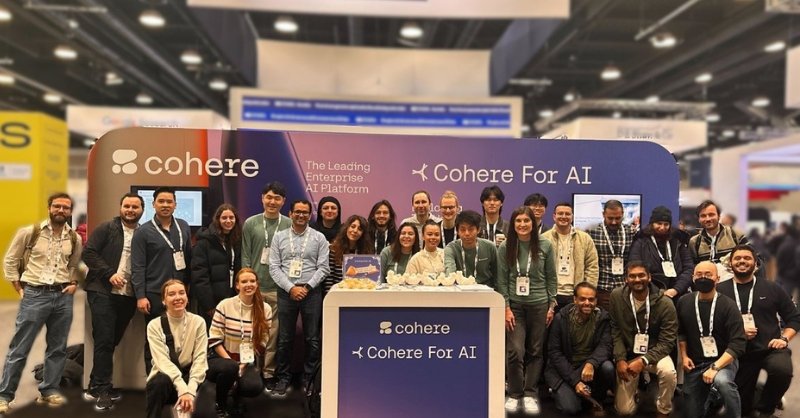
BERLIN — Artificial intelligence companies Cohere and Aleph Alpha agreed to combine operations in a transatlantic venture carrying an estimated valuation of $20 billion, the organizations said in a joint statement released on Tuesday. The merger brings together two major developers of large language models to challenge U.S. technology corporations that currently control the vast majority of global enterprise artificial intelligence spending, according to the announcement.
The merger transaction is backed by a $600 million financial injection from Schwarz Group, executives said in a statement. The German retail and logistics enterprise, which runs supermarket and hypermarket chains across Europe, provided the capital to fund the expansion of the newly formed entity. Schwarz Group leaders structured the transaction to challenge major technology corporations based in the United States that currently control enterprise artificial intelligence spending and product deployment across multiple international markets.
Public officials in Germany and Canada are throwing political weight behind the merger, lawmakers in Ottawa and Berlin said. Governments in both capitals view the cross-border corporate union as a step toward establishing regional technological independence from American firms. Trade ministers in Ottawa and Berlin spent three months discussing ways to support domestic artificial intelligence development so that local industries do not rely exclusively on software developed by United States corporations, the countries confirmed.
Cohere maintains its primary operations in Canada, where engineers build large language models designed for enterprise clients, while Aleph Alpha focuses on selling customized artificial intelligence applications to corporate buyers and government agencies from its base in Germany. Bringing the 2 companies together creates a dual-hemisphere footprint intended to serve customers across North American and European markets simultaneously, the firms said.
Both businesses previously raised substantial sums from 3 investor categories—private venture capital firms, sovereign wealth funds, and corporate investors—to purchase expensive specialized computer processors and hire scarce engineering staff, financial disclosures show. Merging the 2 operations combines distinct software architectures, research facilities, and sales teams into a single corporate structure that can bid on large government and enterprise contracts across the Atlantic. Specific timelines for the completion of the merger and final regulatory approvals remain undisclosed, officials in Berlin stated.