Carbonaide secures fresh capital to expand CO₂-cured concrete
Finnish startup Carbonaide has raised €3.7 million to scale a manufacturing process that permanently stores carbon dioxide inside concrete—an approach the company says can turn a traditionally emissions-heavy material into a carbon-negative product while also reducing costs tied to cement.
The round was led by existing owners Vantaan Energia, Redstone, and Ihantola Invest, with participation from new investors including Zero Carbon Future Group, Helkama Kiinteistöt, and Ikorni Invest. Carbonaide said it has raised €5.5 million in total funding to date, though it did not disclose its valuation.
From lab discovery to factory rollout
The company’s core proposition is built around CO₂ mineralisation—a chemical process that binds carbon dioxide into a stable mineral form within concrete. By using CO₂ during curing, Carbonaide aims to reduce the amount of cement required in the final product, addressing one of construction’s most stubborn climate challenges: cement production is among the largest industrial sources of greenhouse gas emissions globally.
According to the company, the enabling insight emerged in 2018 at the laboratory of Finland’s technical research ecosystem, where researchers observed how CO₂ could reduce cement needs in concrete chemistry. The startup’s founders say early support from the Finnish concrete industry helped move the concept from research into industrial development.
Carbonaide reports that its technology entered commercial production in 2024. In 2025, it signed agreements with Finnish concrete producer Lakan Betoni and concrete element manufacturer Lipa-Betoni, both of which plan to install the company’s systems in their plants. Full production is expected to begin in early 2026, marking a shift from pilot projects to factory-scale deployment.
Tapio Vehmas and Jonne Hirvonen lead the push
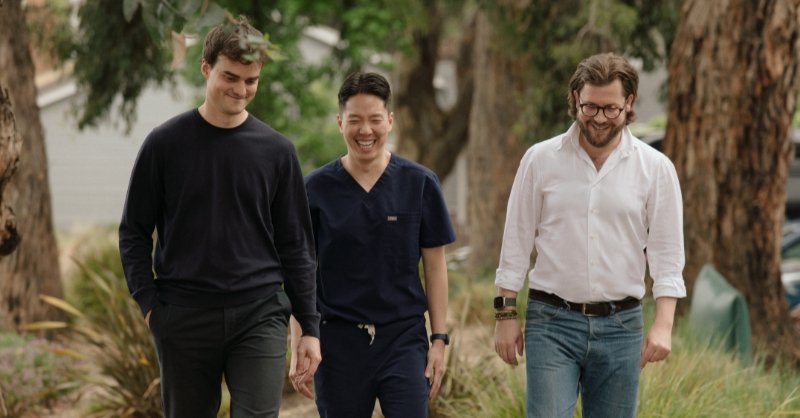
Carbonaide is led by co-founders with complementary backgrounds spanning materials science and industrial commercialisation. Tapio Vehmas brings roughly two decades of experience in concrete chemistry and R&D, while Jonne Hirvonen has about a decade of experience commercialising research and executing green industrial investments.
The founders have described their motivation as both technical and personal. They point to the urgency of decarbonising construction, while also framing the company’s mission as a long-term commitment to future generations.
Turning emissions reduction into a revenue stream
Beyond lowering the carbon footprint of concrete, Carbonaide is positioning its approach as a business model that can improve unit economics for manufacturers. Cement is not only carbon-intensive but also costly—and the company argues that reducing cement content can make low-carbon concrete more competitive, particularly if cement prices continue to rise.
In January 2026, Carbonaide said it sold its first certified carbon credits generated through CO₂ mineralisation to a Finnish law firm. The sale is significant because it suggests the company’s process can produce verifiable, tradeable climate value in addition to lowering emissions embedded in construction materials.
Why this matters for the concrete sector
For concrete producers, decarbonisation pathways often involve a mix of alternative binders, renewable energy, and carbon capture solutions. CO₂ curing and mineralisation approaches have attracted increasing interest because they can be integrated into existing production lines and can potentially deliver measurable carbon reductions at the product level—an advantage as regulators and buyers demand more transparent environmental product data.
Expansion plans: Nordics, central Europe, and Asia
Carbonaide said the new funding will be used to accelerate international expansion and intensify R&D to broaden the technology’s applications beyond its initial focus. Over the next three to five years, the company plans a stronger market entry across central Europe and the Nordics, with an ambition to reach “tens of factories” by 2030 for concrete product applications.
After demonstrating commercial-scale performance with its first factory during Q2–Q4 2026, the startup expects to move quickly into Europe and Asia for concrete element applications. The company highlighted a collaboration with Elematic, which it says will help target fast-growing markets such as India and reconstruction-linked demand such as Ukraine.
Over time, Carbonaide intends to expand into additional segments including in-situ cast concrete and a broader range of precast applications, which it says are already under development with partners. It also aims to build consumer and industry recognition through a co-branding label: CO2 stored by Carbonaide.
Team footprint and hiring outlook
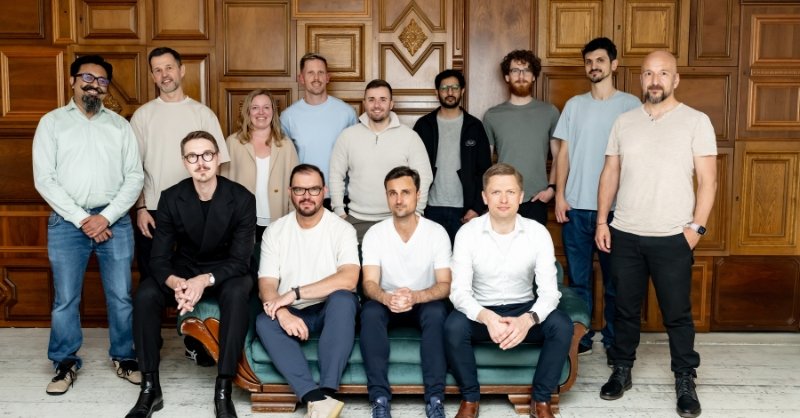
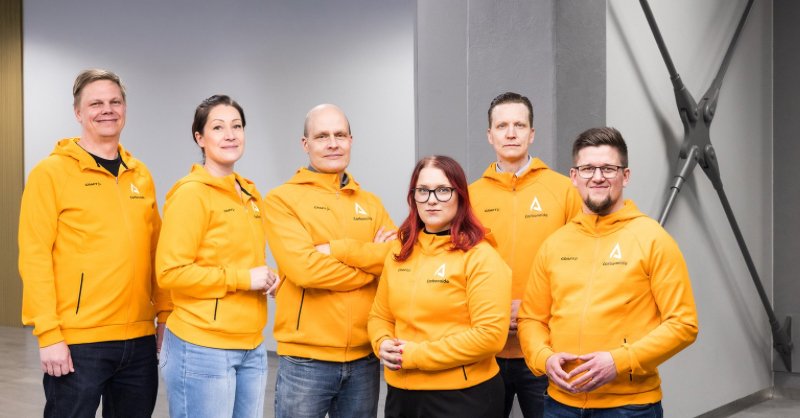
The startup currently has eight employees across Finland and Sweden, with team members spanning ages 29 to 55 and representing multiple nationalities. The company says it plans to further diversify through international recruitment as it expands.
Investor backing and industry demand signals
“With this momentum, we are well-positioned to scale our technology, expand our CO₂ partner network, and continue turning concrete factories into carbon sinks,” said Tapio Vehmas, CEO of Carbonaide, adding that demand is rising for solutions that reduce construction emissions.
Panu Pasanen, CEO of One Click LCA and an investor through Zero Carbon Future Group, said he views Carbonaide as ready to scale and highlighted the importance of carbon data for low-carbon construction products.
What to watch next
The next major milestone will be industrial performance data from the first full factory deployments expected to ramp in 2026. If Carbonaide can demonstrate reliable throughput, consistent material properties, and scalable CO₂ sourcing logistics—while also monetising verified carbon outcomes—the company could become a notable technology supplier in the race to decarbonise one of the world’s most widely used building materials.
Related