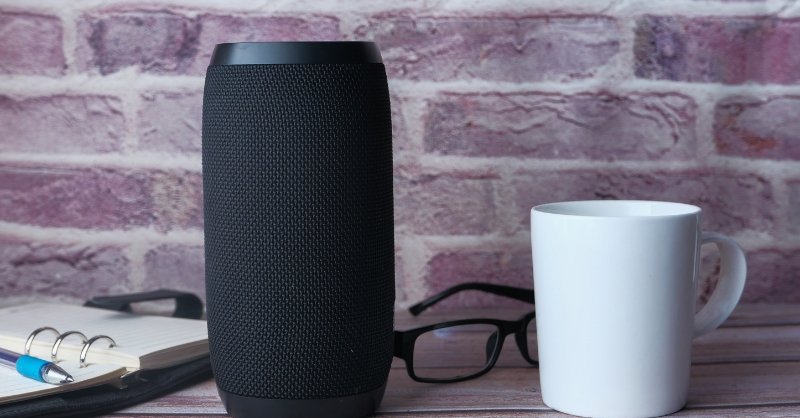
When Amazon introduced the first Echo and Google followed with what became the Nest smart speaker line, the pitch was intentionally modest: a convenient voice assistant for everyday tasks. Users could ask for the weather, set timers, play music, or turn a light on and off with a short command. The devices were marketed as helpful, almost appliance-like additions to the home—simple, approachable, and easy to justify.
That early positioning, however, understated what these products would evolve into. Over time, smart speakers have shifted from novelty gadgets to strategic platforms—anchoring broader ecosystems that connect hardware, software, subscriptions, and services. The result is a more complex business story: smart speakers are no longer only about voice. They are about distribution, data, and control of the home’s digital interface.
From convenience feature to ecosystem hub
The earliest consumer use cases were narrow and transactional: “What’s the forecast?” “Set a kitchen timer.” “Play a playlist.” Those functions helped normalize voice interaction, lowering the barrier for households to accept always-available computing. As adoption grew, so did expectations. Smart speakers began to integrate with televisions, doorbells, thermostats, security systems, and a widening array of third-party devices.
In many homes, the smart speaker became the “front door” to a broader smart-home network. That role matters commercially. A device that sits in the kitchen or living room can influence which services a household uses, which compatible products it buys next, and which platform it standardizes on. The more the speaker becomes a control layer, the more it becomes a lever for customer retention.
Why the economics changed
Smart speakers were often sold aggressively, sometimes at low margins, because the long-term value is not necessarily in the hardware itself. The larger opportunity lies in recurring services and ecosystem lock-in. Voice assistants can steer users toward music subscriptions, shopping features, premium smart-home offerings, or other paid add-ons. Even when the assistant is used for free tasks, it can still reinforce platform preference and keep customers within a company’s orbit.
For Amazon, smart speakers have been closely tied to commerce and convenience—reducing friction between intent (“I need batteries”) and purchase. For Google, the strategic logic aligns with its broader consumer platform approach: increasing engagement, extending services into the home, and strengthening the company’s place in daily routines. In both cases, the speaker is a gateway: a device that can make the next service easier to adopt.
Smart home control—and the competition to be default
The competition is not only between devices; it is between defaults. The platform that becomes the household’s standard can gain an advantage in future purchases and integrations. If a consumer already relies on a particular assistant for lights and music, they are more likely to buy compatible cameras, doorbells, or thermostats and less likely to switch ecosystems later.
This dynamic has encouraged companies to focus on compatibility and partnerships, while also promoting their own branded peripherals. As the smart home market expanded, the speaker’s role as a coordinator grew: it can unify disparate products, provide a consistent interface, and reduce the complexity that often discourages mainstream consumers from adopting connected devices.
Data, personalization, and the trust factor
As functionality expanded, so did questions around data collection and privacy. Smart speakers are designed to listen for a wake word, and many rely on cloud processing to interpret requests and deliver responses. That architecture can enable personalization—better recommendations, customized routines, and more accurate responses. It can also raise concerns among users who worry about how recordings are handled, what is stored, and how information might be used.
For companies, trust has become a product feature. Clear privacy controls, transparent policies, and reliable security updates are now central to maintaining adoption. A single high-profile misstep can undermine confidence in an entire category. In practical terms, privacy expectations can influence product design, from on-device processing to more prominent hardware mute buttons and simplified controls for managing stored data.
What comes next for voice assistants
The next phase of smart speakers is likely to be less about novelty and more about intelligence and integration. Consumers increasingly expect assistants to handle multi-step tasks, understand context, and coordinate across devices. That means moving beyond single commands toward routines that manage a home’s daily patterns—morning schedules, energy use, security checks, and entertainment experiences.
At the same time, competition is intensifying. Smartphones, wearables, televisions, and cars all offer voice interfaces, reducing the smart speaker’s uniqueness as an access point. To remain central, smart speakers must differentiate through better audio, deeper smart-home orchestration, and more reliable responses—while keeping setup simple for non-technical users.
A category that matured quietly
The story of early Echo and Nest devices begins with a modest promise: a simple voice assistant for quick questions and commands. But their significance today is broader. Smart speakers have become strategic endpoints—devices that help shape consumer behavior, influence purchasing decisions, and define how digital services enter the home.
As the market matures, the winners may be determined not by who sells the most speakers, but by who delivers the most seamless ecosystem—balancing convenience, compatibility, and trust. What started as a handy way to check the weather has become a contest to own the home’s interface.
Related