AI is rewriting software engineering—skills, roles and expectations
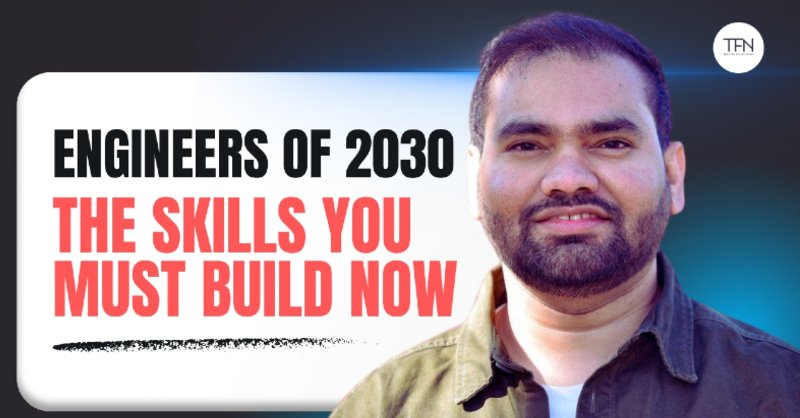
Software engineering is no longer a profession built on mastering a single language and its frameworks, according to Saleem Shaik, who says AI is forcing job descriptions to evolve “daily.” In a recent TechTalks with TFN interview, Shaik argued that while tools will change quickly—especially with the rise of “vibe-coding” and AI-assisted development—the core differentiator for engineers through 2030 will be adaptability and sound judgement.
Adaptability comes before any tool
Shaik began his career in 2013 at Tech Mahindra, working with Java 7 and JSF on bug fixes and small enhancements. By 2016, after relocating to the UK, he moved into larger delivery responsibilities as an onsite coordinator and development lead—experience he credits with reshaping his perspective toward end users and the full software development lifecycle.
That foundation, he said, matters more than chasing trends. “If you think, ‘AI is very trendy’ and push it to users, that’s not going to work,” Shaik said, adding that market resistance is growing as some products feel “over-pushed.”
Using AI where it adds value
Shaik described practical deployments, including applying AI to monitoring and automating email notifications for recurring issues—freeing teams to focus on critical tasks. The message: engineers must learn not only how to use AI tools, but also when not to use them.
Responsibility, culture and a global workforce
With AI capable of producing plausible but incorrect output, Shaik stressed accountability and hands-on understanding. He also highlighted the uneven global playing field in engineering, pointing to complementary strengths across regions and encouraging engineers to seek international collaboration. His guiding principle for an automated future: “first, show up, and then, dig in.”
Related