Upwind raises $250M to expand real-time cloud security
Upwind, a US-based cloud security startup focused on runtime visibility and real-time risk detection, has raised $250 million in a Series B funding round led by Bessemer Venture Partners. The financing brings the company’s total funding to $430 million and will be used to accelerate global expansion and deepen investment in data, AI, and code security capabilities.
The round also included participation from Salesforce Ventures and Picture Capital, according to the company. The raise arrives as enterprises face rising complexity in cloud environments driven by rapid infrastructure changes, containerized workloads, and increased adoption of AI-driven development and operations.
Why runtime signals are gaining traction
Security teams have long relied on periodic scans and configuration snapshots to identify vulnerabilities. But as cloud infrastructure becomes more dynamic, those methods can generate large volumes of alerts that are difficult to triage and don’t always reflect real exposure in production.
Upwind positions its platform as an alternative that emphasizes real-time activity in cloud environments—using runtime context to identify what is actually exploitable, prioritize response, and reduce noise for security and engineering teams.
“Cloud infrastructure has changed faster than the security models designed to protect it,” said Amiram Shachar, CEO and co-founder of Upwind. He added that the next era of cloud security requires “a fundamentally different approach” centered on real-time signals, particularly as AI accelerates infrastructure and application change.
Funding plans: global scale and broader security coverage
With the new capital, Upwind said it will scale its platform globally and invest more heavily across data security, AI security, and code security. A key product direction is pushing its runtime approach closer to developers—aiming to detect risky configurations earlier in the software lifecycle, before they reach production.
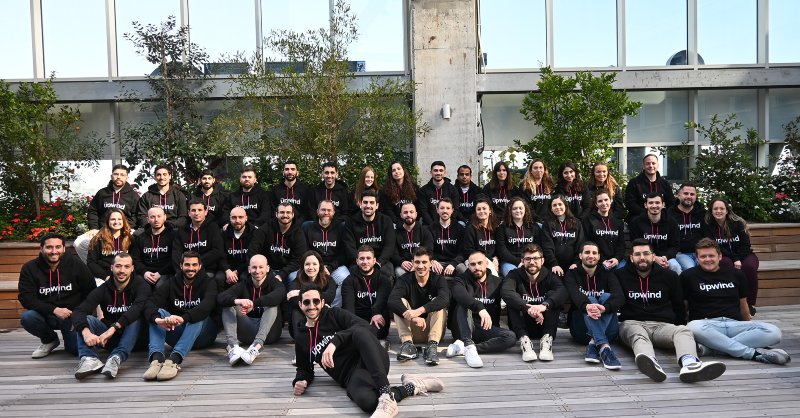
The company’s expansion plans follow a year of rapid growth. Since a $100 million round reported about a year ago, Upwind said it has doubled headcount to more than 300 employees and expanded its presence across the US, UK, and Israel. It also cited growing demand across Asia-Pacific markets including India, Singapore, Japan, and Australia.
Growth metrics and customer adoption
Upwind reported 900% year-over-year revenue growth and 200% logo growth, signaling rapid customer acquisition and expansion. The company says it protects millions of cloud workloads for large enterprises and listed customers including Waste Management, Siemens, Carvana, Roku, ClickUp, Wix, Nubank, Agoda, Peloton, Fiverr, and BILL.
One of the central claims behind the company’s runtime-first approach is reduction in alert fatigue. Upwind said customers have reported a 98% reduction in security alerts and 60% fewer irrelevant CVEs, allowing teams to focus on risks that matter in production rather than issues flagged by static analysis without context.
“Upwind shows us what is actually happening at runtime and why it matters,” said Jerich Beason, CISO at Waste Management. “That context saves time, reduces cost, and makes our security operations far more effective.”
Founding team and market positioning
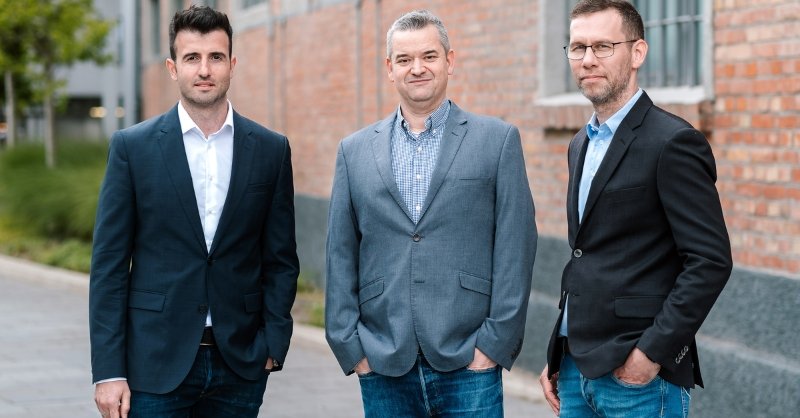
Upwind was founded by Amiram Shachar and a team that previously built Spot.io, which was acquired by NetApp for $450 million. The company frames its strategy as a unified approach to both cloud infrastructure and application-layer protection, seeking to help organizations “run faster” while detecting threats earlier with higher precision.
Over the past year, Upwind said it added more than 100 partners across ISVs, MSPs, and resellers, launched a strategic partnership with NVIDIA, and expanded collaborations with hyperscalers including Microsoft Azure and AWS.
Investor view: timing and platform potential
Bessemer Venture Partners partner Elliott Robinson said the firm sees cloud security as one of the fastest-growing segments in cybersecurity and described Upwind as a strong fit for where the market is heading. He pointed to the company’s “runtime-first approach” and emphasis on “signal over noise,” as well as a founding team with prior scale experience.
With fresh capital and a stated push toward developer-adjacent security, Upwind is betting that runtime context will become a default requirement for securing modern cloud environments—especially as AI increases the speed and frequency of infrastructure and application changes.
Related