Hydrosat secures €51 million to expand thermal infrared data
Luxembourg- and US-based Hydrosat, a provider of thermal infrared satellite data and AI-powered analytics, announced it has closed a €51 million (about $60 million) funding round. The company said the capital will be used to accelerate the development and deployment of its space-based thermal imaging capabilities and expand its analytics offering for government and commercial customers.
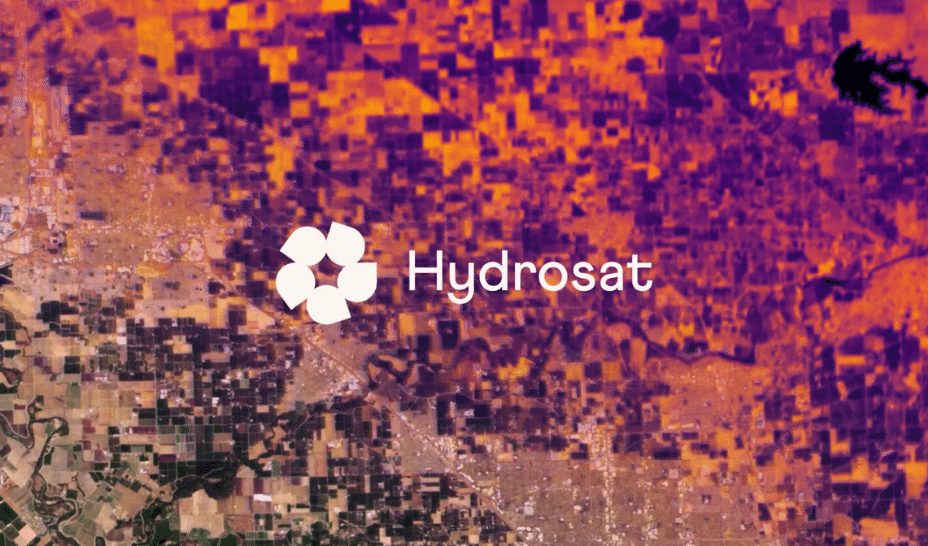
Thermal infrared data—often described as “heat” data from space—can help reveal surface temperature patterns that are difficult to capture at scale from ground sensors alone. By pairing that data with machine learning models, Hydrosat aims to deliver insights relevant to water stress, crop performance, drought risk, and broader climate and infrastructure monitoring.
Why thermal infrared satellites are drawing investor interest
As climate volatility increases and resource constraints tighten, demand has grown for high-frequency, high-resolution Earth observation products. Thermal infrared imagery in particular is used to estimate evapotranspiration (a key indicator of plant water use), detect heat anomalies, and monitor industrial activity and urban heat islands.
Unlike traditional optical imagery, which can be limited by lighting conditions and cloud cover, thermal measurements can add an additional layer of information about surface conditions. When combined with AI models and other datasets—such as weather, soil moisture, and historical satellite records—thermal data can support decision-making for agriculture, insurance, utilities, and public agencies.
How Hydrosat plans to use the new funding
In its announcement, Hydrosat said the €51 million round will support continued investment in its satellite program and its analytics platform. The company positions its technology as an end-to-end offering: collecting thermal infrared observations from space and translating them into actionable products through automated analytics.
Industry observers note that scaling an Earth observation business typically requires significant capital for spacecraft manufacturing, launches, ground infrastructure, and ongoing operations—alongside software development and customer acquisition. A financing of this size may help Hydrosat move faster on constellation buildout and improve revisit rates, which are crucial for monitoring fast-changing conditions such as heat waves, irrigation cycles, and wildfire risk.
Potential applications across sectors
Hydrosat’s focus on thermal analytics aligns with several fast-growing markets:
- Agriculture: measuring crop water use and stress to optimize irrigation and improve yields.
- Water management: monitoring watershed conditions and supporting drought planning.
- Climate resilience: tracking extreme heat, identifying vulnerable areas, and informing adaptation strategies.
- Infrastructure and industry: detecting heat signatures that may indicate operational changes or equipment issues.
These use cases have gained urgency as governments and enterprises seek better tools to quantify climate impacts, comply with reporting requirements, and manage operational risk.
Competitive landscape: Earth observation meets AI
The Earth observation sector has become increasingly crowded, with a range of companies offering optical, radar, and thermal datasets. Differentiation often comes down to data quality, revisit frequency, pricing, and the ability to deliver insights rather than raw imagery.
Hydrosat is part of a broader shift toward “analytics-first” satellite companies—firms that market decision-ready products built on satellite data rather than imagery alone. This approach can shorten time-to-value for customers, but it also raises the bar on model accuracy, validation, and transparency, especially when products are used for regulated decisions or financial risk assessments.
What comes next
While Hydrosat did not disclose additional details in the brief announcement beyond the round size, the funding suggests confidence in demand for thermal infrared intelligence and the company’s ability to scale. Key milestones for investors and customers to watch will likely include progress on satellite deployment, improvements in coverage and revisit times, and expansion of commercial contracts.
As climate and resource monitoring moves from periodic reporting to near-real-time operations, providers that can consistently deliver reliable thermal insights—at the right resolution and cadence—stand to play a growing role in agriculture, water management, and climate adaptation planning.
Note: The company’s announcement cited a €51 million close (approximately $60 million). Additional details such as investors and valuation were not included in the provided text.
Related