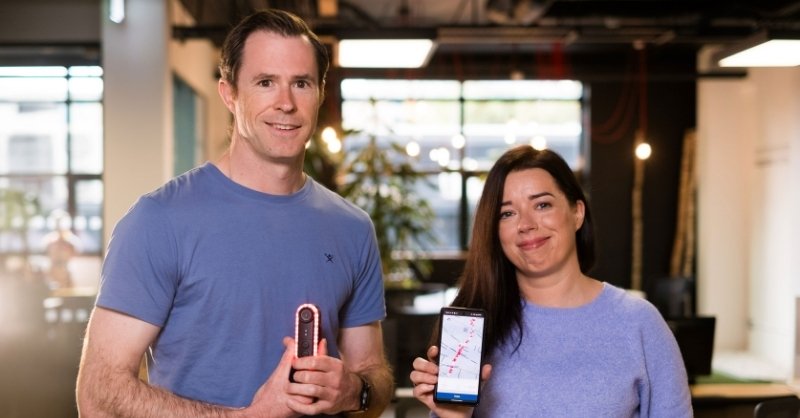
Luna Systems secures €1.5 million late-seed to commercialize AI safety camera
Luna Systems has raised €1.5 million in a late seed funding round as it prepares to bring its first AI-powered safety camera hardware product to market. The financing is intended to support the transition from development to commercialization, including final product engineering, early production runs, and initial go-to-market activity.
The company said the funding will help it accelerate the rollout of camera hardware designed to improve safety monitoring in physical environments. While the startup did not disclose investor names, valuation, or detailed revenue metrics, the round size and “late seed” designation suggest the product has moved beyond early prototyping and is approaching broader customer deployment.
What the product aims to solve
Safety cameras are widely used across industrial sites, construction zones, warehouses, and other operational settings, but traditional systems often focus on recording and retrospective review. Luna Systems is positioning its device as a more proactive tool, using AI to identify potential safety risks in real time and help teams respond faster.
The company has not provided technical specifications in its announcement, such as whether analysis is performed on-device (edge processing) or in the cloud, nor has it detailed the types of incidents the system is trained to detect. However, the focus on “AI-powered” safety monitoring typically implies automated recognition of hazardous conditions, unsafe behaviors, or restricted-zone breaches, paired with alerting and reporting workflows.
Why late-seed funding matters for hardware
Hardware-focused startups frequently face different scaling challenges than software-only companies. Even after a working prototype is proven, the path to a reliable commercial product can involve extended testing, certification requirements, supply chain setup, manufacturing partner selection, and quality assurance processes—all of which can be capital intensive.
By raising €1.5 million at this stage, Luna Systems is signaling that it is moving into the phase where execution risk shifts from “can we build it?” to “can we ship it consistently and support customers?” Funds at late seed are often used to lock down a bill of materials, harden the device for field conditions, and establish repeatable production processes before pursuing a larger Series A.
Market context: AI moves from dashboards to the job site
Spending on safety technology has been growing as organizations look to reduce incidents, downtime, and insurance exposure while meeting compliance obligations. At the same time, AI capabilities have expanded beyond back-office analytics into operational environments, enabled by improved computer vision models and more capable edge hardware.
In practice, the competitive landscape includes both traditional camera providers adding AI features and newer entrants building purpose-specific safety systems. Differentiation typically comes down to reliability in challenging environments, low false-alarm rates, ease of integration with existing security and safety workflows, and clear evidence of return on investment.
Key questions customers will ask
As Luna Systems moves toward market launch, prospective buyers are likely to focus on several practical factors:
- Accuracy and false-positive rates in real-world conditions such as dust, low light, and weather.
- Privacy and data governance, including retention policies and who can access footage or alerts.
- Deployment complexity, including installation time, network requirements, and device management.
- Integration with existing systems, from incident reporting tools to access control platforms.
- Cost structure, including hardware pricing, subscriptions, and ongoing support.
How the funding may be used
Although the company did not publish a detailed allocation, late-seed financing for hardware typically supports a combination of product and commercial milestones. These can include completing design-for-manufacturing work, securing component supply agreements, preparing compliance testing where applicable, and building the customer-facing infrastructure needed for rollout.
On the go-to-market side, early spending often targets pilot deployments, onboarding materials, and the first sales hires or channel partnerships. For safety hardware in particular, credibility can hinge on successful deployments with early customers, documented reductions in incidents, and clear operational playbooks for scaling across multiple sites.
What comes next
Luna Systems said the round will help it bring its first camera hardware to market, implying an upcoming commercial launch or expanded pilots. The next milestones investors and customers will watch include production readiness, initial customer traction, and evidence that the system can deliver actionable alerts without overwhelming teams with noise.
If the company can demonstrate consistent performance in demanding environments and show measurable safety improvements, it may be positioned to pursue additional funding to expand product lines, grow distribution, and deepen software capabilities that complement the hardware.
For now, the €1.5 million late-seed round marks a step toward translating AI-powered safety camera technology from development into operational deployment.
Related