SkyFi closes $12.7M oversubscribed Series A
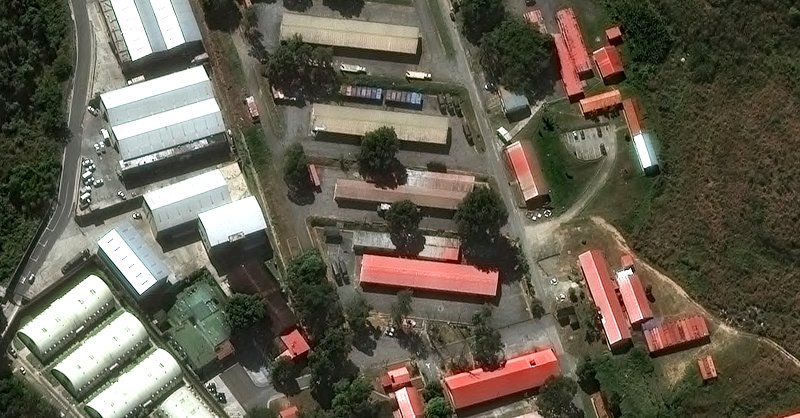
SkyFi, an Austin-based satellite imagery and analytics company, has raised $12.7 million in an oversubscribed Series A round as it looks to make Earth-observation data easier to access and use across the defence, agriculture and energy sectors.
The company said the new funding will support product development and platform expansion, with a focus on simplifying how customers discover, purchase and operationalize satellite imagery and derived analytics. The round’s oversubscription signals strong investor demand for tools that reduce friction in a market where data availability has grown rapidly, but procurement and integration can still be slow and complex.
Why satellite imagery is booming—and still hard to use
Commercial satellite constellations are generating increasing volumes of high-resolution imagery and other sensing data, creating opportunities for customers that need timely situational awareness, monitoring and predictive insights. Yet for many organizations, turning raw imagery into decisions remains challenging due to fragmented suppliers, inconsistent licensing terms, specialized technical requirements and the need for integrations into existing workflows.
SkyFi positions its platform as a way to streamline this process—helping teams find the right imagery, acquire it quickly and pair it with analytics that can be used by non-specialists. The company’s emphasis on “simplification” reflects an industry shift: as imagery becomes more abundant, differentiation increasingly comes from usability, interoperability and time-to-insight.
Target sectors: defence, agriculture and energy
The company is focusing on three sectors where satellite-derived intelligence is becoming more central to operations:
- Defence: Earth observation supports mission planning, monitoring and rapid assessment, particularly when access on the ground is limited or risky.
- Agriculture: Growers and agribusinesses use imagery to track crop health, irrigation needs and yield indicators across large areas.
- Energy: Operators use remote sensing to monitor infrastructure, assess environmental conditions and support compliance and risk management.
Across these markets, customers often need both the underlying imagery and a layer of analytics that can translate pixels into actionable metrics. Platforms that unify access and make analytics easier to deploy can reduce procurement cycles and lower the technical barrier for adoption.
New integrations and ecosystem strategy
Alongside the funding, SkyFi highlighted new integrations, including Vantor, aimed at expanding how customers can connect the platform to existing tools and workflows. Integrations are a key battleground in the geospatial software market: organizations want imagery and analytics to flow into their operational systems—whether that’s a mapping environment, a field-management platform or a security workflow—without lengthy custom development.
By leaning into an ecosystem approach, SkyFi is signaling that its strategy is not only to provide access to data, but also to become a connective layer that makes satellite intelligence more “plug-and-play” for end users.
NATO DIANA selection adds credibility
The company also pointed to selection by NATO DIANA (the Defence Innovation Accelerator for the North Atlantic) as a meaningful milestone. Participation in defence-focused innovation programs can serve as a validation signal—especially for startups working at the intersection of commercial technology and national security requirements.
For geospatial and remote-sensing providers, defence adoption can bring both opportunity and complexity. Customers may require higher assurance around data provenance, reliability, security controls and continuity of service. Being chosen by NATO DIANA suggests SkyFi is building toward those expectations while maintaining a product that can also serve commercial industries.
What the funding likely supports next
While SkyFi has not detailed a full spending breakdown, companies at this stage typically deploy Series A capital across several priorities:
- Product: Improving search, ordering and tasking workflows; expanding analytics capabilities; and enhancing user experience for non-technical teams.
- Integrations: Building and maintaining connectors to third-party platforms and data sources to reduce customer onboarding time.
- Go-to-market: Expanding sales and customer success, particularly in regulated or procurement-heavy sectors like defence and energy.
- Operations: Strengthening security, compliance and reliability as enterprise and government requirements increase.
Oversubscribed rounds can also give startups flexibility to invest more aggressively in platform breadth—adding capabilities that reduce the need for customers to stitch together multiple vendors.
Competitive landscape: platforms vs. point solutions
The satellite imagery market includes data providers, analytics specialists and software platforms that act as intermediaries between sensors and end users. As the number of data sources grows, customers increasingly prefer solutions that reduce vendor sprawl and simplify contracting and deployment.
SkyFi is competing in a space where user experience and workflow integration matter as much as raw data access. The company’s focus on defence, agriculture and energy suggests a deliberate push toward high-value use cases where speed and reliability can justify premium spending.
Outlook
With $12.7 million in fresh capital, new integrations such as Vantor, and momentum from NATO DIANA, SkyFi is positioning itself to capture demand for satellite intelligence that is easier to buy, deploy and operationalize. As Earth-observation data becomes more plentiful, the winners are likely to be the platforms that make it simplest for customers to turn imagery into decisions—quickly and at scale.
Related