Nico Rosberg accelerates from racing to venture capital
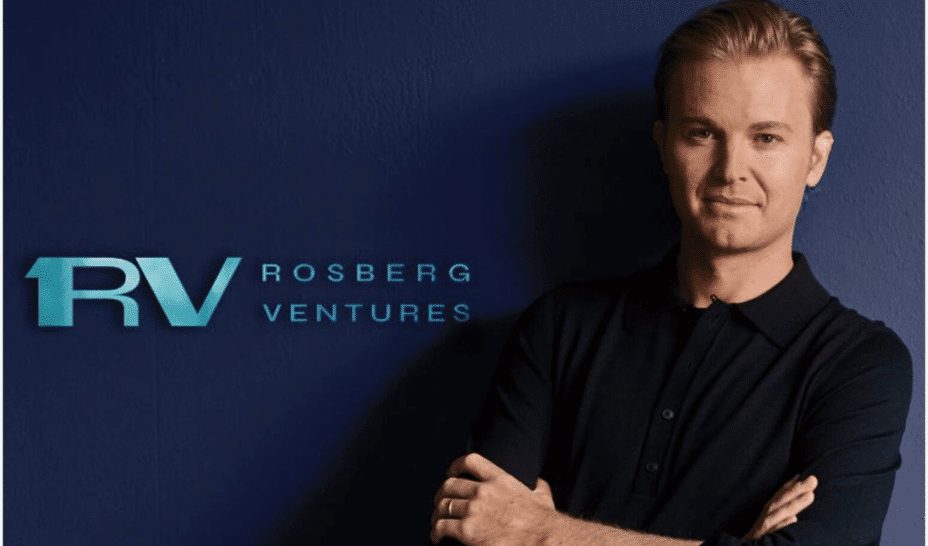
Former Formula 1 World Champion Nico Rosberg is once again moving at speed—this time in the venture capital arena. After building a post-racing career that has included broadcasting, sustainability advocacy, and entrepreneurship, Rosberg has increasingly focused his attention on investing through his firm, Rosberg Ventures.
While details in the latest update remain limited, the renewed attention on Rosberg Ventures underscores a broader shift: high-profile athletes are becoming more active and sophisticated participants in private markets, leveraging their networks, brand equity, and global visibility to access early-stage deal flow and support founders.
Athlete-led investing becomes more institutional
The venture capital landscape has seen a steady rise in funds and syndicates associated with athletes, entertainers, and creators. What began for many as occasional angel checks has evolved into more structured investment operations, complete with dedicated teams, theses, and long-term portfolio strategies.
In that context, Rosberg Ventures fits into a growing category of investor platforms built around well-known public figures. The appeal is two-fold. First, celebrity investors can help startups with marketing reach and strategic introductions. Second, they can attract co-investors by signaling confidence and raising a company’s profile during competitive funding rounds.
However, market participants note that credibility in venture capital increasingly depends on consistency and value-add, not just name recognition. As the funding environment remains selective, firms and angels are expected to demonstrate discipline on valuation, clarity on sector focus, and tangible support for portfolio companies.
From F1 champion to business operator
Nico Rosberg won the Formula 1 World Championship in 2016 and famously retired shortly thereafter. Since then, he has pursued multiple business interests, often emphasizing innovation and sustainability. His transition mirrors a wider trend among elite athletes who treat investing not as a side project, but as a second career.
Industry observers say former athletes can bring a distinctive operating mindset—performance measurement, resilience under pressure, and long-term planning—that translates well to evaluating founders and building portfolios. At the same time, venture capital requires a different kind of patience: returns can take years to materialize, and portfolio outcomes depend on a small number of outliers.
Rosberg Ventures and the current VC climate
The renewed focus on Rosberg Ventures arrives as venture capital continues to recalibrate after the rapid expansion of 2020–2021. Across many markets, investors have prioritized fundamentals such as revenue quality, unit economics, and capital efficiency. Late-stage rounds have been especially sensitive to valuation resets, while early-stage investing has remained active but more thesis-driven.
For newer or smaller firms, differentiation is critical. Funds and angels that can offer specialized domain expertise, access to customers, or distribution advantages are often better positioned to win allocations in competitive rounds. Athlete-backed investors, when paired with strong investing partners and a clear sector focus, can offer founders a compelling mix of capital and visibility.
What founders look for from high-profile investors
Founders increasingly weigh more than just the size of a check. In many cases, they look for investors who can:
- Open doors to strategic partners, customers, and talent
- Support fundraising through credible signaling and introductions
- Help shape brand narratives and public positioning
- Remain engaged through follow-on rounds and difficult market cycles
In this environment, the long-term reputation of Rosberg Ventures will likely depend on how consistently it can deliver those advantages and how clearly it articulates its investment thesis.
What comes next
With only a brief snapshot of the latest development, the key takeaway is the continued evolution of Nico Rosberg from champion driver to active investor. As venture capital becomes more competitive and professionalized, firms like Rosberg Ventures may seek to sharpen their focus—whether by concentrating on specific sectors, forming deeper partnerships with established funds, or building a repeatable playbook for supporting early-stage companies.
For the broader market, the story reflects a durable shift: venture capital is no longer confined to traditional finance circles. It is increasingly shaped by operators, creators, and athletes who bring different networks and perspectives—provided they pair visibility with rigorous investing practices.
Further details about Rosberg Ventures, including portfolio focus, fund structure, and upcoming investments, will determine how the firm positions itself in a market that now rewards both conviction and discipline.
Related