Retirees search for meaning after the routine ends
For many people, retirement arrives as a long-awaited milestone—then quickly becomes a question. After decades of schedules, deadlines and workplace identity, the sudden abundance of unstructured time can feel less like freedom and more like disorientation. Psychologists and retirement coaches increasingly describe this shift as a common transition: the move from externally organized days to self-directed living.
In that gap, a growing number of retirees are finding that the difference between simply “staying busy” and truly thriving comes down to purpose. Rather than filling hours with errands and distractions, they gravitate toward passions that provide progress, community and meaning. Below are seven pursuits frequently cited by retirees as especially rewarding—and, in several cases, supported by research on healthy aging.
1) Learning an instrument: progress without pressure
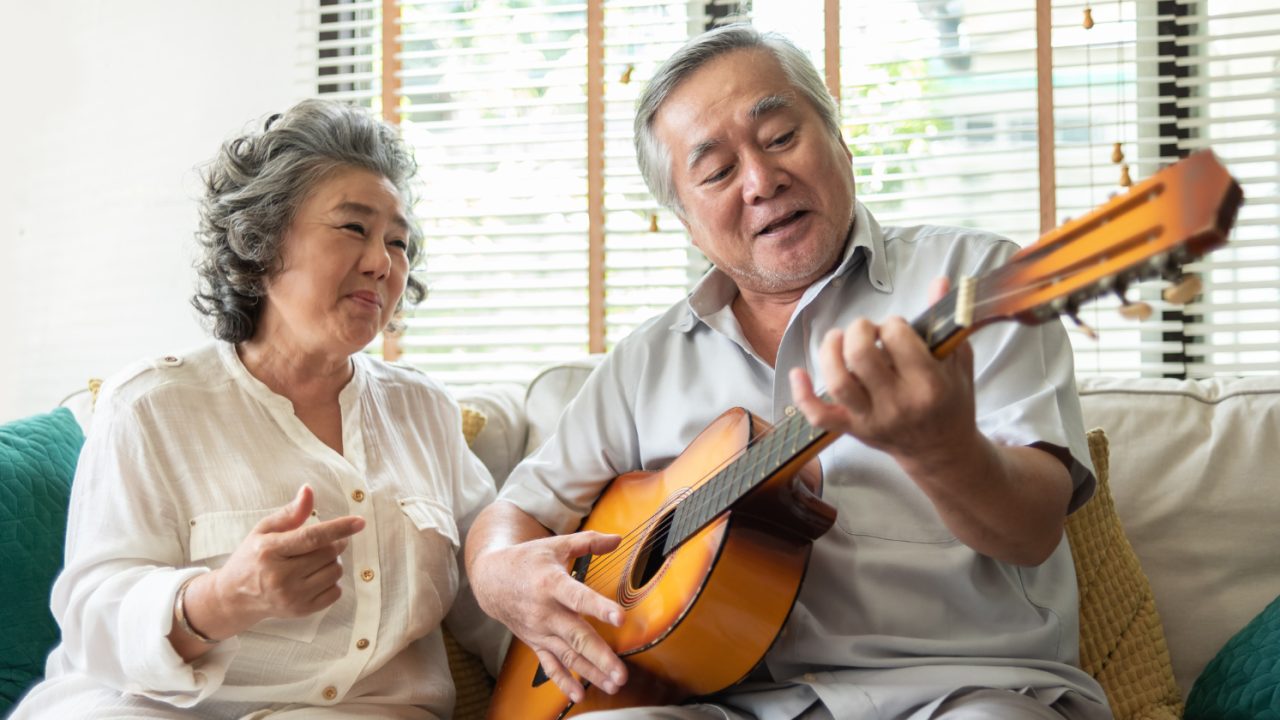
Picking up a musical instrument later in life can be intimidating, but many retirees say that beginner status is part of the appeal. Without career stakes, performance reviews or deadlines, learning becomes play. The slow, measurable improvements—reading a few bars of music, mastering a chord transition—create a steady sense of accomplishment.
Studies in cognitive aging have associated musical training with benefits such as improved memory, attention and executive function. While research varies in strength and causality, experts generally agree that challenging the brain with new skills can support cognitive resilience. For retirees, the key is consistency and enjoyment, whether the instrument is piano, guitar, ukulele or harmonica.
2) Local history research: turning curiosity into community
Another passion gaining popularity is local history. Retirees with time to dig into archives often become unofficial historians, using libraries, historical societies and digitized newspaper collections to reconstruct the stories of streets, neighborhoods and landmarks.
What begins as a personal curiosity can evolve into a community contribution: a booklet about a neighborhood’s early residents, a presentation for a local club, or an online archive of old photographs. The appeal is partly detective work—one record leading to another—and partly the satisfaction of preserving a place’s memory before it disappears.
3) Bread making: a skill that rewards patience
Home baking, particularly bread, has become a staple hobby for retirees who enjoy hands-on projects. Bread making combines routine with experimentation: small adjustments in hydration, temperature, fermentation time and shaping techniques produce noticeably different results.
Retirees often describe the process as both calming and intellectually engaging. It offers a practical rhythm to the week—feeding a starter, timing a rise—while also delivering a tangible payoff. The social benefits are real as well: homemade loaves are an easy way to connect with neighbors, family and friends.
4) Writing family stories: preserving memory as legacy
Many retirees discover that they are the custodians of family history—stories that may never be recorded unless they take the initiative. Writing a family narrative does not require professional training. It can start with simple prompts: childhood memories, how parents met, lessons learned, turning points, and the everyday details that photos don’t capture.
Some retirees interview relatives, label old photographs, or assemble a timeline that links personal milestones with broader events. The process can be emotional, particularly as it surfaces grief, gratitude and unresolved questions. But it is often described as deeply rewarding: a gift to children and grandchildren, and a way to make sense of one’s own life arc.
5) Mentoring: turning experience into impact
Mentorship offers a direct route back to purpose, especially for retirees who miss the sense of contribution that work once provided. Programs such as SCORE connect experienced professionals with small business owners and entrepreneurs. Schools, libraries, community colleges and nonprofit organizations also frequently seek volunteer tutors and career mentors.
The value runs both directions. Retirees share hard-earned knowledge about leadership, communication and decision-making, while also staying connected to new tools, new workplace norms and emerging perspectives. For many, mentoring restores a sense of relevance and strengthens social ties—two factors often linked to well-being in later life.
6) Nature photography: gentle exercise with a creative edge
Nature photography is increasingly accessible, thanks to modern smartphone cameras and online learning communities. Retirees drawn to the hobby say it encourages them to get outside, walk regularly and pay closer attention to light, weather and seasonal changes.
Beyond fitness, the practice trains observation and patience—waiting for the right moment, noticing patterns, framing a shot. Many join local photo walks or online groups to share images and receive feedback, turning a solitary pastime into a social one.
7) Reading groups focused on philosophy: big questions, shared discussion
With fewer daily obligations, retirees often return to the questions they postponed during busy working years: What constitutes a good life? How should we treat others? How do we face mortality and uncertainty? Philosophical reading groups—sometimes blending psychology, history and ethics—offer a structured way to explore those themes in conversation with peers.
Classic and modern authors alike can serve as catalysts, from Marcus Aurelius and Viktor Frankl to contemporary thinkers such as Martha Nussbaum. Participants frequently report that discussions are richer in retirement because members bring decades of lived experience to the table.
What retirees say matters most: experimentation and meaning
Across these passions, a common thread emerges: retirees thrive when they treat this stage not as an ending, but as a beginning. The most successful transitions tend to involve experimentation—trying activities, dropping what doesn’t fit, and returning to what sparks curiosity.
Experts emphasize that the goal is not merely to “fill time,” but to enrich it through learning, connection and contribution. Whether the next chapter starts with a new instrument, a mentoring commitment or a weekly reading circle, retirees who build purpose into their days often report a stronger sense of joy and direction.
Related