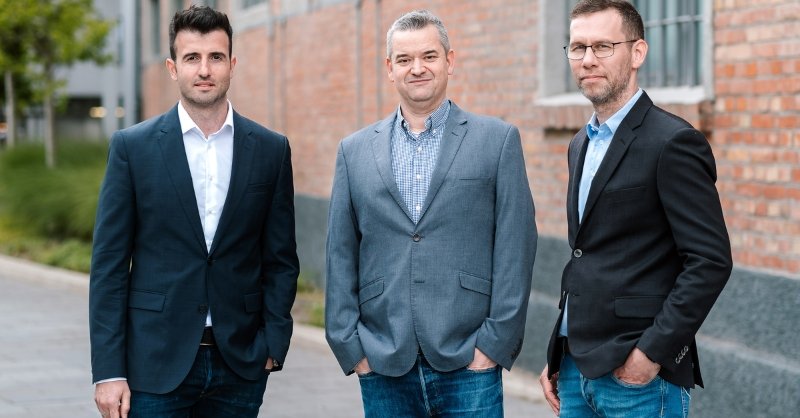
Pragmatech secures €650,000 to advance AI in infectious disease research
Pragmatech, a Spanish HealthTech startup developing artificial intelligence solutions for pharmacology, microbiology, and infectious diseases, has raised €650,000 in fresh funding as it looks to accelerate product development and broaden its footprint in clinical and research settings.
The company said the capital will support continued work on AI-driven tools designed to improve how researchers and healthcare teams analyze pathogens, interpret laboratory results, and support decision-making in areas where time-sensitive insights can affect outcomes. While details about the investors and the structure of the round were not disclosed, the funding marks an early milestone for a sector in which smaller, specialized teams are increasingly competing with larger platforms by focusing on narrow, high-impact clinical use cases.
Why this funding matters
The €650,000 raise is modest compared with late-stage digital health rounds, but it is significant for an early-stage HealthTech company working in highly regulated environments. In pharmacology and microbiology, AI systems are often expected to handle complex datasets, integrate with laboratory workflows, and provide outputs that are explainable and auditable—requirements that can extend development timelines and raise costs.
In infectious diseases, the business case for AI has sharpened in recent years as hospitals and public health systems seek tools that can help detect and respond to outbreaks, monitor antimicrobial resistance, and optimize treatment decisions. In these settings, even incremental improvements in speed and accuracy can translate into meaningful operational benefits.
Focus areas: pharmacology, microbiology, infectious diseases
Pragmatech positions its technology at the intersection of three adjacent domains:
- Pharmacology: AI models can help identify patterns in drug response data, support research into drug interactions, and assist in generating hypotheses for further studies.
- Microbiology: Automated analysis can aid in interpreting lab results, classifying organisms, and surfacing anomalies that warrant human review.
- Infectious diseases: Tools may help clinicians and researchers understand transmission patterns, track resistance signals, and prioritize interventions.
The company has not provided specific product names or performance metrics, but the stated emphasis suggests a strategy centered on practical applications in labs and clinical decision support rather than consumer-facing health apps.
Market context: AI HealthTech seeks real-world adoption
Across Europe, AI-focused HealthTech startups have faced a common challenge: moving from promising prototypes to deployments that fit into real-world workflows. Hospitals and research institutions often operate with legacy systems, strict governance processes, and limited bandwidth for adopting new tools. As a result, startups that succeed tend to be those that can demonstrate clear value, provide integration support, and meet compliance requirements.
In microbiology and infectious disease management, adoption can also depend on the ability to work with diverse data sources, including laboratory information systems, electronic health records, and surveillance databases. For many startups, the path to scale includes partnerships with hospitals, academic labs, and diagnostic providers, alongside the documentation needed for procurement and regulatory review.
How the funds could be used
While Pragmatech did not outline a detailed allocation plan, early-stage rounds of this size in HealthTech typically fund a mix of product refinement and commercialization readiness. Likely priorities include:
- Strengthening datasets and model validation to improve reliability and clinical relevance.
- Building or expanding integrations with laboratory and clinical systems.
- Hiring in applied machine learning, data engineering, and regulatory or quality functions.
- Launching pilots with healthcare providers or research partners to generate real-world evidence.
For AI in healthcare, generating evidence—such as improved turnaround time for analysis, better detection of resistant strains, or more efficient triage of lab results—can be as important as technical performance. Demonstrating measurable impact is often what unlocks larger follow-on rounds and longer-term contracts.
What’s next
The funding gives Pragmatech runway to move deeper into validation and deployment, a critical stage where many AI healthcare projects either become embedded tools or stall due to integration and compliance hurdles. If the company can translate its focus on pharmacology, microbiology, and infectious diseases into concrete clinical and laboratory outcomes, it may be positioned to pursue partnerships and larger financing as demand grows for targeted AI systems that support overburdened healthcare teams.
With infectious disease threats and antimicrobial resistance continuing to pressure health systems, investors and institutions alike are watching for solutions that can deliver usable insights without adding complexity to already strained workflows. Pragmatech’s latest round signals continued momentum for specialized AI HealthTech in Spain and across the broader European ecosystem.
Related