Mosa Meat secures €15 million for regulatory push
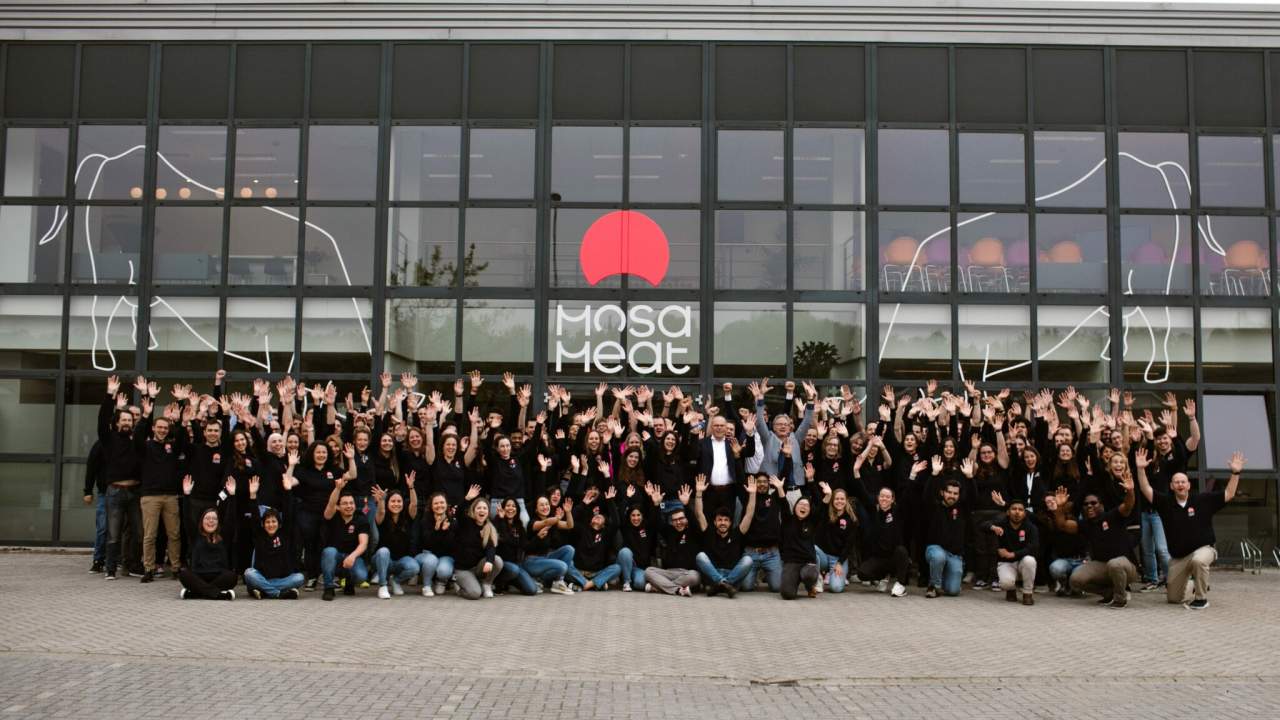
Mosa Meat, a Maastricht-based cultivated meat company, has raised an additional €15 million in funding as it prepares for the next phase of regulatory market approvals. The new capital is expected to support work tied to navigating approval processes, strengthening compliance capabilities, and advancing the company’s readiness to enter regulated markets.
The funding comes as cultivated meat companies globally face a lengthy and highly technical pathway to commercialization. While scientific progress has accelerated in recent years, access to consumers depends heavily on regulatory clearance—typically requiring extensive safety dossiers, detailed production documentation, and evidence that manufacturing systems can consistently meet food standards.
Why regulatory approvals are the main bottleneck
For cultivated meat—also referred to as cultivated meat or cell-based meat—regulatory approvals represent the most consequential step between lab-scale innovation and retail availability. Unlike many food startups that can launch quickly under existing frameworks, cultivated meat producers must often undergo novel food or equivalent evaluations, depending on jurisdiction.
That process can include reviews of cell lines, culture media inputs, manufacturing controls, and end-product composition. Companies also need to demonstrate that their production methods are reproducible and that potential risks are understood and mitigated. In many regions, approval can involve multiple agencies and iterative requests for additional data.
By directing new funding toward regulatory work, Mosa Meat is signaling that it is prioritizing the steps required to meet government standards and prepare for eventual market entry, rather than focusing solely on research milestones.
What the €15 million is likely to support
While the company has not detailed a full use-of-proceeds breakdown in the brief announcement, funding aimed at regulatory market approvals typically supports several core areas:
- Regulatory submissions: preparing and maintaining technical dossiers, safety assessments, and supporting documentation.
- Quality systems: building or expanding food-grade quality management systems, traceability, and documentation practices.
- Process validation: demonstrating that production processes are controlled, repeatable, and meet defined specifications.
- Analytical testing: generating data on composition, microbiological safety, allergens, and other parameters required by regulators.
- Operational readiness: aligning facilities and supplier relationships with the requirements regulators often expect for commercial-scale manufacturing.
Regulatory work is also resource-intensive because it spans multiple disciplines—food safety, bioprocess engineering, legal compliance, and scientific validation—often requiring specialized hires and external advisers.
Context: cultivated meat’s race from promise to product
The cultivated meat sector has drawn attention for its potential to reduce the environmental footprint of animal protein production and to provide alternatives that don’t rely on conventional livestock farming. However, the industry’s near-term success depends on three interlocking factors: regulatory approval, scalable manufacturing, and consumer acceptance.
Even after approvals, companies must prove they can manufacture at scale with consistent quality and at a cost that makes commercial sense. Many cultivated meat businesses have been working to reduce the cost of inputs, improve bioreactor performance, and optimize production yields. At the same time, they must build trust with consumers and stakeholders by communicating clearly about safety and production methods.
Mosa Meat has been among Europe’s better-known cultivated meat players, and its latest funding round underscores how investors continue to back companies that are progressing toward regulatory milestones. In practice, approval progress can serve as a proxy for maturity: it indicates a company is moving beyond early-stage R&D and toward the documentation and controls required for food commercialization.
Europe’s regulatory environment remains central
As a Netherlands-based company, Mosa Meat operates in a region where cultivated meat typically falls under novel food-style frameworks. These processes are designed to evaluate foods without a significant history of consumption, and they generally require comprehensive evidence packages.
For startups, the European pathway can be both an opportunity and a challenge: a successful approval can open access to a large consumer market, but the timelines and complexity can strain resources. That dynamic helps explain why dedicated funding for regulatory work is increasingly common across the category.
What to watch next
The key near-term indicator for Mosa Meat will be the pace and progress of its regulatory engagement, including any formal filings, requests for additional information, or public milestones related to market access. Observers will also watch whether the company expands partnerships, strengthens manufacturing capabilities, or prepares pilot commercial launches contingent on approvals.
For the broader cultivated meat industry, the announcement highlights a shift in emphasis from scientific feasibility to regulatory execution. As more companies approach the approval stage, the sector’s progress will be measured not only by technological breakthroughs but also by its ability to meet the stringent standards that govern food safety and consumer protection.
With an additional €15 million in hand, Mosa Meat is positioning itself to tackle one of the industry’s most demanding hurdles: turning cultivated meat from a high-profile concept into a legally approved product ready for market.
Related